
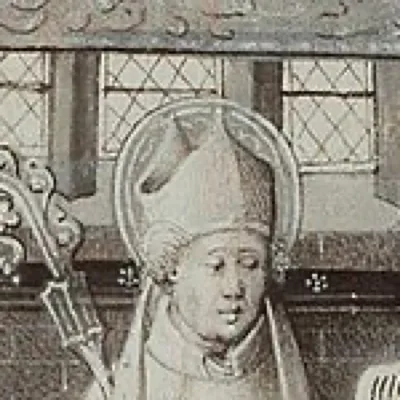
Abbot of Saint-Symphorien of Autun and then bishop of Paris, counsellor of Childebert I, he founded the monastery that became Saint-Germain-des-Prés and devoted his wealth to the ransom of captives.
Born around 496 near Autun into a noble Gallo-Roman family, the son of Eleutherius and Eusebia, Germain studied at Avallon and Luzy. Bishop Agrippinus of Autun ordained him deacon and then priest, and his successor Nectarius placed him at the head of the monastery of Saint-Symphorien of Autun, where his generosity to the poor earned him the hostility of some of the monks. His Life, written shortly after his death by his friend Venantius Fortunatus, is the main source on him and reports many miracles.
Noticed by King Childebert I, son of Clovis, he became bishop of Paris around 555. He kept to the life of a monk, multiplied his alms and ransomed a great many captives. With the king’s support, he founded near the city a monastery dedicated to the Holy Cross and Saint Vincent, consecrated in 558, where Childebert was buried. He excommunicated King Charibert for an unlawful union and strove in vain to reconcile the sons of Clotaire I, Sigebert and Chilperic.
He died in Paris on 28 May 576 and was buried in the chapel of Saint-Symphorien of the monastery, which soon took his name: Saint-Germain-des-Prés. His relics were transferred to the abbey church in the eighth century, in the presence of King Pepin the Short, and for centuries they were carried in procession through Paris in times of epidemic and calamity. He encouraged in Paris the veneration of local saints, notably his predecessor Saint Marcellus. The town of Saint-Germain-en-Laye also owes its name to him.
Celebrated on the same day
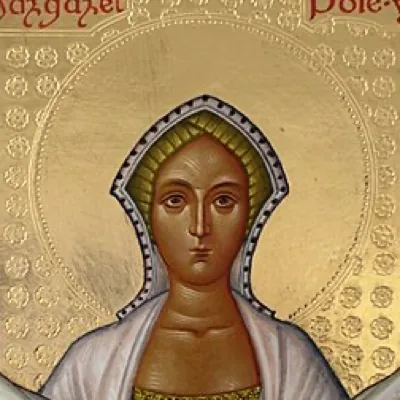
Blessed Margaret Pole
Countess of Salisbury, martyr
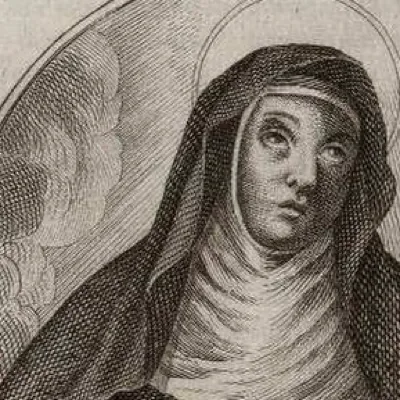
Blessed Maria Bartolomea Bagnesi
Dominican laywoman of Florence, bedridden for forty-five years
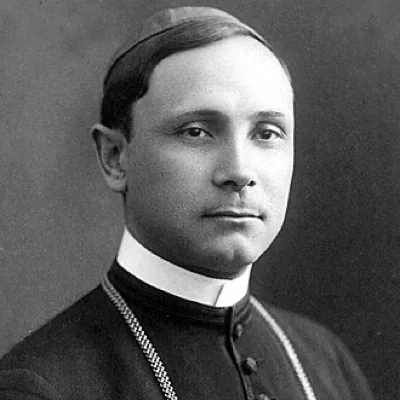
Blessed Iuliu Hossu
Greek-Catholic bishop of Cluj-Gherla, cardinal and martyr
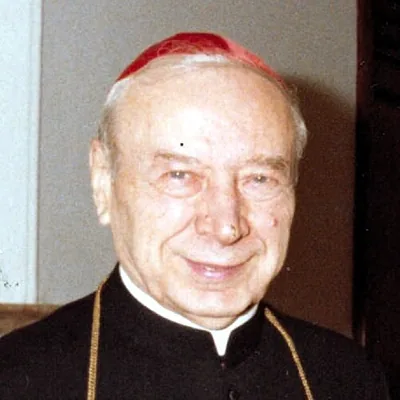
Blessed Stefan Wyszyński
Cardinal Primate of Poland, “Primate of the Millennium”
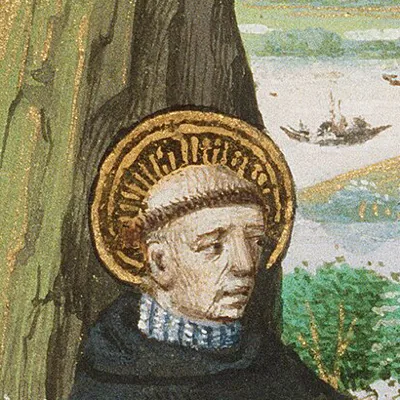
Saint William of Gellone
Count of Toulouse turned monk
Saint Justus of Urgell
First known Bishop of Urgell
Saint Heliconis
Martyr of Corinth
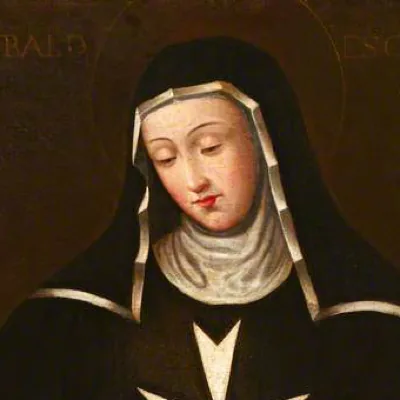
Saint Ubaldesca
Hospitaller of Saint John at Pisa
In the same region
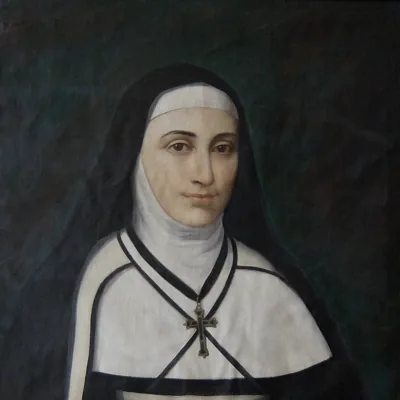
Blessed Adèle de Batz de Trenquelléon
Foundress of the Daughters of Mary Immaculate
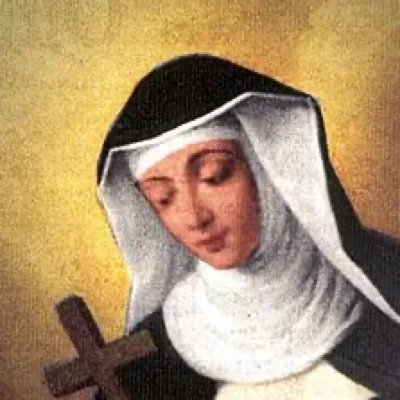
Blessed Agnes of Langeac
Dominican mystic of the Velay
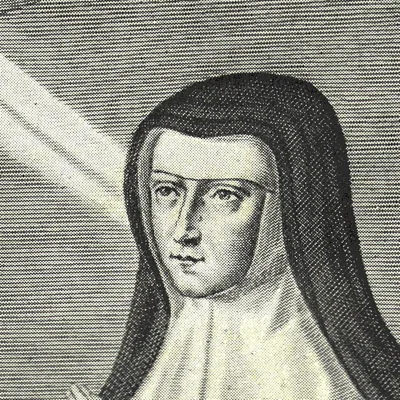
Blessed Alix Le Clerc
Foundress of the Congregation of Notre Dame