
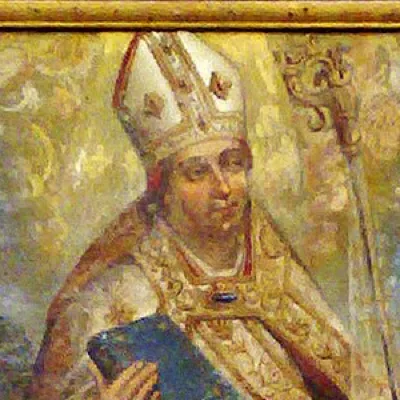
A canon of Cologne who became bishop of Toul for thirty-one years, builder of his cathedral and father of the poor, he was canonised by Pope Leo IX, one of his successors in the see of Toul.
Born around 935 at Cologne, into a noble family, Gerard was trained at the cathedral school, of which he became canon and cellarer. At the death of Bishop Gauzelin, in 962, Archbishop Bruno of Cologne, brother of the Emperor Otto I and duke of Lotharingia, designated him for the see of Toul; he accepted only after having refused out of humility. Consecrated at Trier in March 963, he learned the Romance dialects of his diocese in order to preach there and remained a faithful supporter of the Saxon dynasty.
He restored the possessions of his Church, supported the abbeys of Saint-Èvre, Saint-Mansuy and Bouxières, collected and transferred many relics and consecrated in 981 his cathedral of Saint-Étienne, which he had had rebuilt. According to his Life, written by Widric, he welcomed Greek and Irish monks at Toul. During a terrible epidemic, he led a procession with the relics of Saint Mansuetus; the Roman Martyrology praises his excellent laws, his fasts, his prayers and his alms to the poor.
He died at Toul on 23 April 994, after thirty-one years as bishop, and was buried in his cathedral, where miracles are reported. Bruno of Eguisheim, bishop of Toul who became Pope Leo IX, canonised him at the Roman synod of 1050, one of the first examples of papal canonisation; on 21 October 1051, he himself presided at Toul over the elevation of his relics. The diocese of Toul celebrated him on 23 April and commemorated this translation on 21 October.
Celebrated on the same day
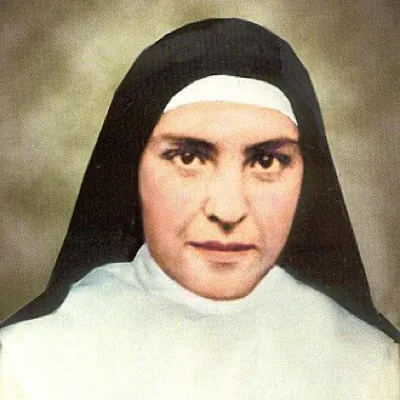
Blessed Maria Gabriella Sagheddu
Trappist offered for the unity of Christians
Blessed Giles of Assisi
Third companion of Saint Francis
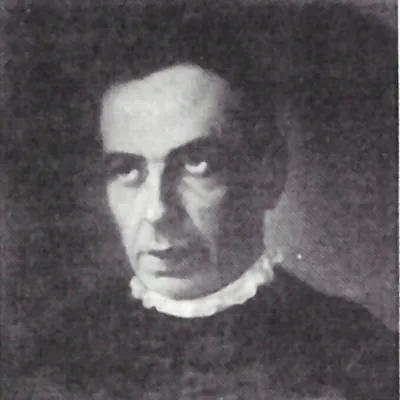
Blessed José Torres Padilla
The “santero” of Seville, co-founder of the Company of the Cross
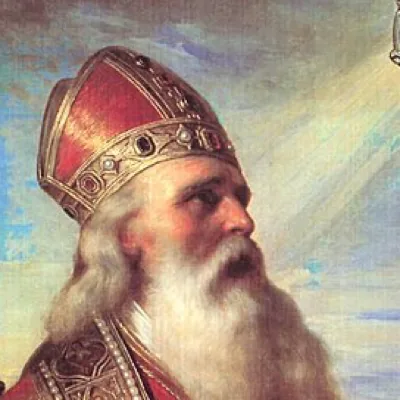
Saint Adalbert of Prague
Bishop of Prague, martyr among the Prussians
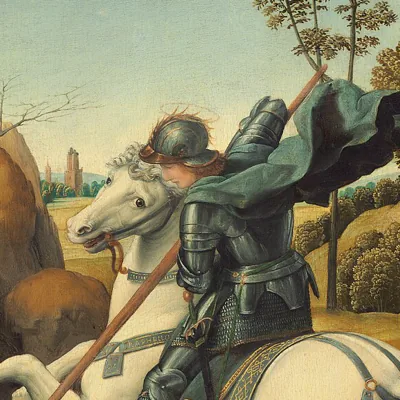
Saint George
Great martyr, soldier
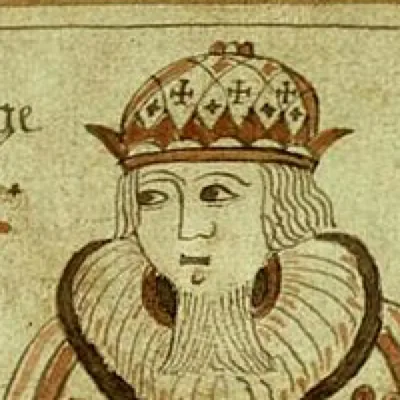
Saint Jón Ögmundsson
First Bishop of Hólar
Saints Felix, Fortunatus and Achilleus
Apostles and martyrs of Valence
In the same region
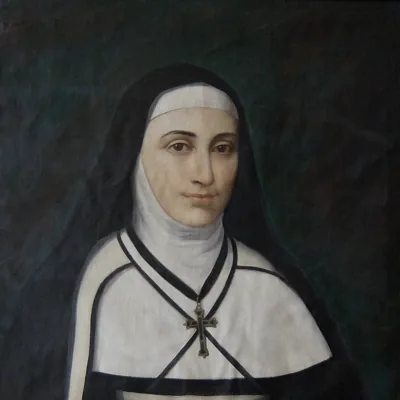
Blessed Adèle de Batz de Trenquelléon
Foundress of the Daughters of Mary Immaculate
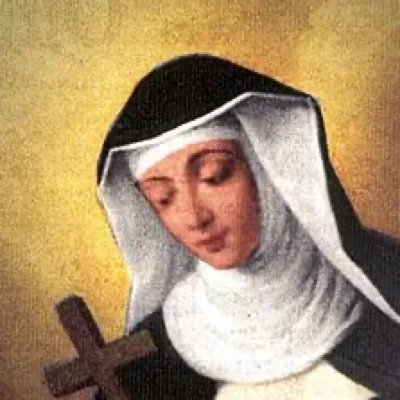
Blessed Agnes of Langeac
Dominican mystic of the Velay
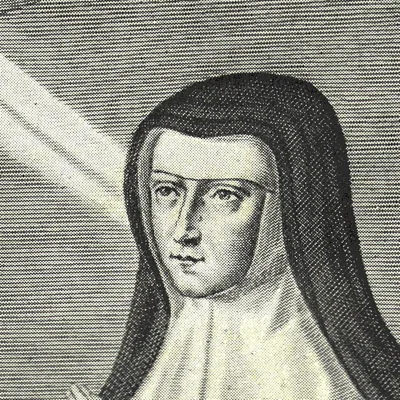
Blessed Alix Le Clerc
Foundress of the Congregation of Notre Dame