
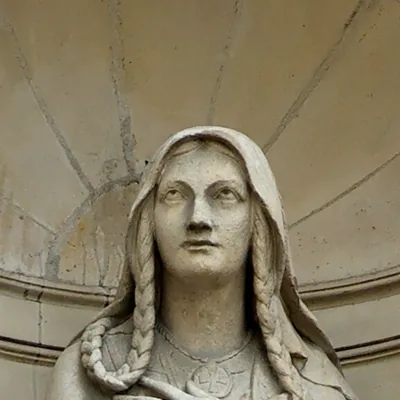
A consecrated virgin of Nanterre, she supported the Parisians against the Huns in 451 and then during the Frankish blockade, and obtained from Clovis the church where she was buried, on the hill that bears her name.
Born around 420 at Nanterre, the daughter of Severus, probably a Romanised Frank, and of Geroncia, Genevieve was noticed around 429 by Saint Germanus of Auxerre, passing through with Saint Lupus of Troyes on the road to Britain: according to her Life, the bishop urged her to consecrate herself to God. At about fifteen, she received the veil of virgins and settled in Paris, where she led a life of prayer and fasting without entering a monastery, in the service of the poor and the sick.
In 451, when the Huns of Attila threatened the city, she persuaded the Parisians not to flee and gathered the women in prayer; Paris was spared. During the blockade of the city by the Franks of Childeric, she went up the Seine to Troyes and brought back boats laden with grain. She had a church raised over the tomb of Saint Denis, obtained from the Frankish kings the pardon of prisoners and persuaded Clovis to build a basilica dedicated to the holy Apostles on the hill that today bears her name.
She died in Paris around 502 according to recent historiography (tradition held 512) and was buried in the church of the Holy Apostles, which became the abbey of Sainte-Geneviève. Her Life, composed some twenty years later, probably at the request of Queen Clotilde, is the main source on her. In 1793, her bones were burned on the Place de Grève and their ashes thrown into the Seine; her shrine, at the church of Saint-Étienne-du-Mont, remains the centre of her cult. John XXIII declared her patroness of the Gendarmerie in 1962.
Celebrated on the same day
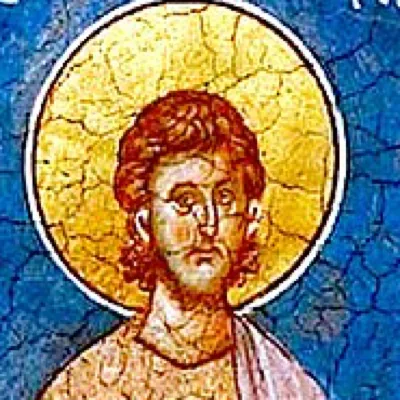
Saint Gordius of Caesarea
Centurion and martyr
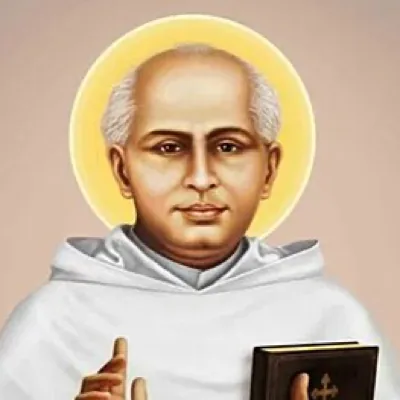
Saint Kuriakose Elias Chavara
Syro-Malabar priest, founder of the Carmelites of Mary Immaculate
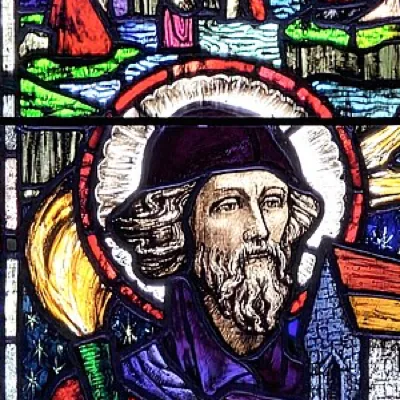
Saint Mainchin of Limerick
Patron of Limerick
In the same region
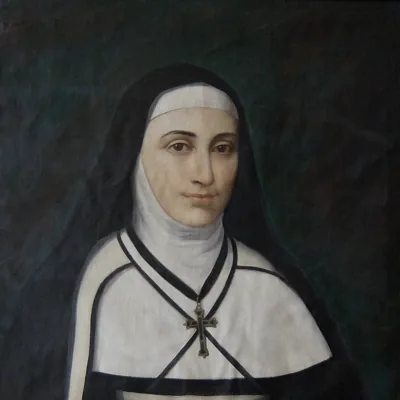
Blessed Adèle de Batz de Trenquelléon
Foundress of the Daughters of Mary Immaculate
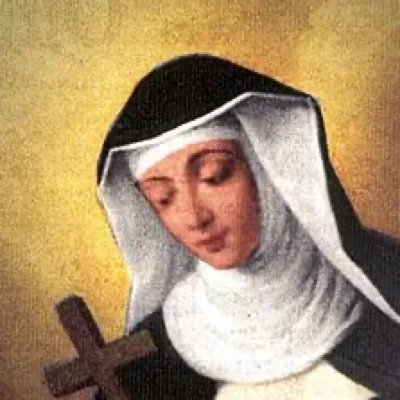
Blessed Agnes of Langeac
Dominican mystic of the Velay
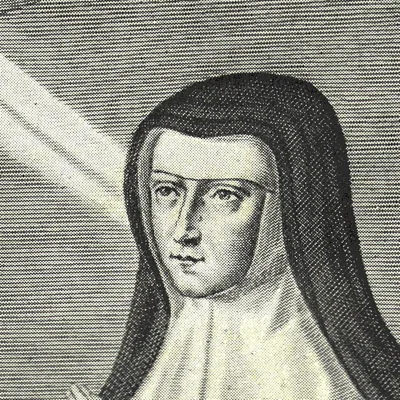
Blessed Alix Le Clerc
Foundress of the Congregation of Notre Dame