
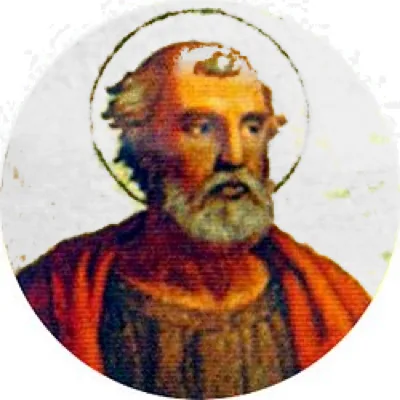
Pope from 492 to 496, a prolific writer, he defined in a famous letter to the Emperor Anastasius the distinction between the sacred authority of the pontiffs and royal power, and had the Lupercalia suppressed.
Of African origin according to the Liber Pontificalis, but born in Rome as he himself writes, Gelasius was the principal drafter of the letters of his predecessor Felix III before being elected on 1 March 492. He firmly maintained the condemnation of Acacius in the face of Constantinople and, in 494, wrote to the Emperor Anastasius the letter Famuli vestrae pietatis: the world is governed by two powers, the sacred authority of bishops and royal power, each sovereign in its own order. This text would nourish all medieval thought on the relations between Church and State.
A pastor of a Rome tried by the war between Odoacer and Theodoric and by famine, he spent himself for the poor; he obtained the abolition of the Lupercalia, a pagan festival still celebrated by the aristocracy, prescribed communion under both kinds against the Manichaeans, and fixed the times of ordinations. A sacramentary and a decree on the canonical books were later attributed to him, which are not his. He died on 19 November 496 and was buried at Saint Peter’s.
There are two powers, august Emperor, by which this world is chiefly ruled: the sacred authority of the priests and the royal power.
Celebrated on the same day
Blessed Reyes Us Hernández
Catechist and health worker, martyr of Quiché
Saint Agapius of Caesarea
Martyr thrown to the beasts before the emperor
Saint Maurus of Cesena
Bishop of Cesena, hermit of the mountain that bears his name
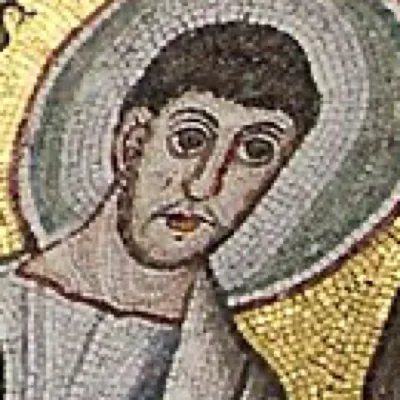
Saint Maurus of Parenzo
Bishop and martyr, patron of Poreč
In the same region
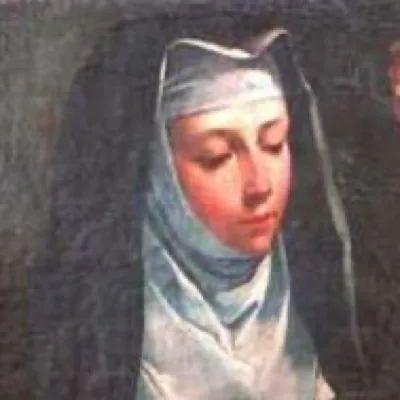
Blessed Angelina of Marsciano
Foundress of the Franciscan Sisters of the Third Order Regular
Blessed Anna Rosa Gattorno
Widow, foundress of the Daughters of St Anne
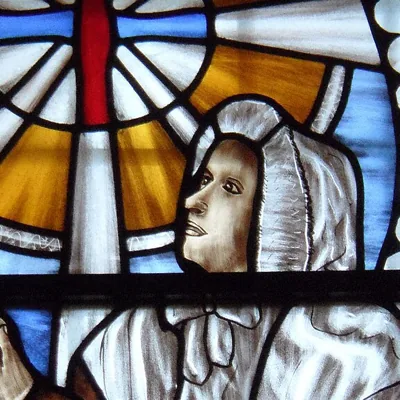
Blessed Anna Maria Taigi
Mother of a family and Roman mystic