
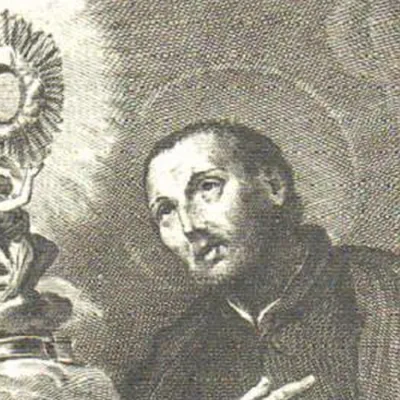
A gentleman of the Abruzzi healed of a serious illness, a priest at Naples in the service of the condemned, he founded the Minor Clerks Regular, devoted to the perpetual adoration of the Blessed Sacrament.
Ascanio Caracciolo was born on 13 October 1563 at Villa Santa Maria, in the Abruzzi, the son of the lord of the place. At twenty-two, a skin disease which disfigured his face, perhaps leprosy, led him to promise to embrace the ecclesiastical state if he recovered. Healed, he went to study at Naples; ordained priest, he celebrated his first Mass in 1587 and joined the Company of the Bianchi, a confraternity which assisted prisoners and those condemned to death.
In 1588, a letter from Giovanni Agostino Adorno intended for a namesake reached him by mistake: it invited the recipient to found a new institute. He saw in it a sign of Providence and drew up with Adorno, at the Camaldolese convent of Naples, the rule of the Minor Clerks Regular, approved by Sixtus V the same year. He took the name of Francis and became superior general at the death of Adorno (1591). His religious practised the perpetual adoration of the Blessed Sacrament, each in turn, and added to their vows that of not seeking dignities. He founded houses at Naples, Rome, Madrid, Valladolid and Alcalá.
He died at the age of forty-four on 4 June 1608 at Agnone, in Molise, on his way to a new foundation. His body was brought back to Naples, of which he became co-patron. Beatified in 1769, he was canonised by Pius VII in 1807. His native town, the cradle of a long tradition of cooks, had him chosen as patron of Italian cooks.
Celebrated on the same day
Blessed Domingo del Barrio Batz
Sacristan of Chajul, martyr of Quiché
Blessed José María Gran Cirera
Parish priest of Chajul, martyr of Quiché
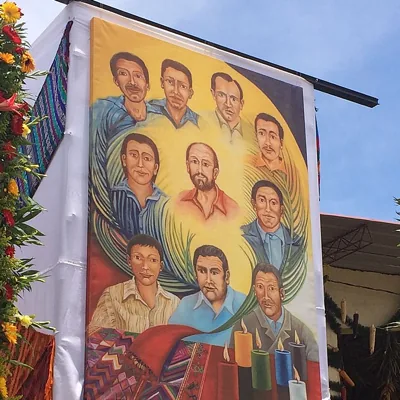
Blessed José María Gran Cirera and Companions
Martyrs of Quiché
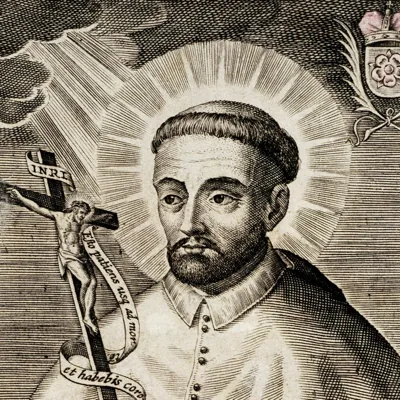
Blessed Michael Giedroyć
Lay brother of Saint Mark’s in Kraków
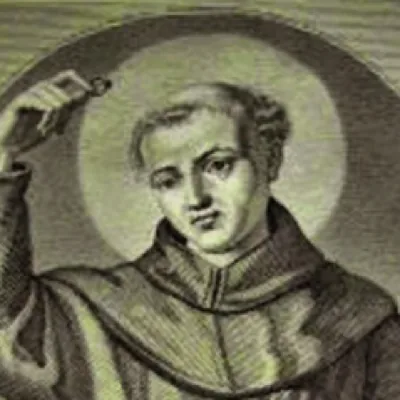
Blessed Pacificus of Cerano
Preacher of the Observance, author of the Summa pacifica
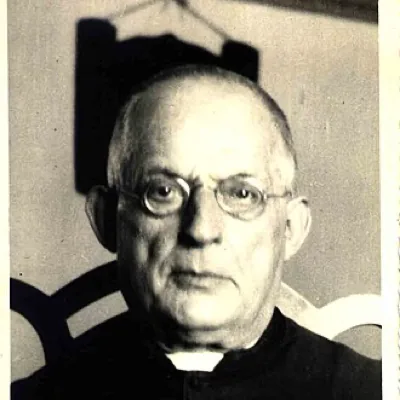
Saint Filippo Smaldone
Apostle of the deaf-mutes
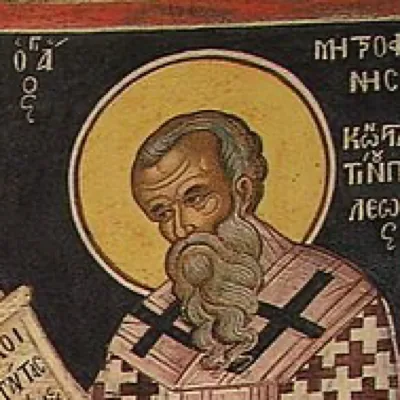
Saint Metrophanes of Byzantium
Bishop of Byzantium

Saint Optatus of Milevis
Bishop, defender of the unity of the Church

Saint Petroc
Abbot, patron of Cornwall and Devon
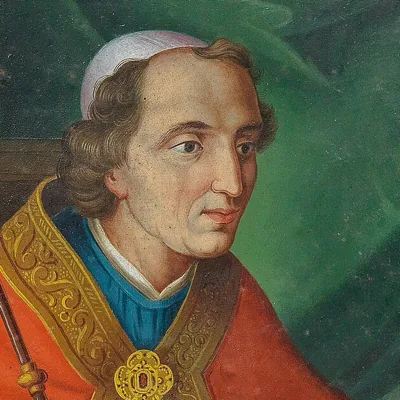
Saint Quirinus of Siscia
Bishop of Sisak, martyr
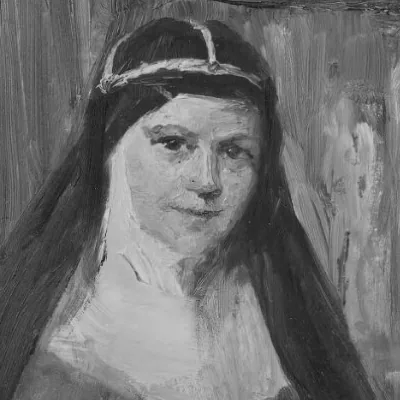
Saint Elizabeth Hesselblad
Refounder of the Order of Saint Bridget, Righteous Among the Nations
In the same region
Blessed Angelina of Marsciano
Foundress of the Franciscan Sisters of the Third Order Regular
Blessed Anna Rosa Gattorno
Widow, foundress of the Daughters of St Anne
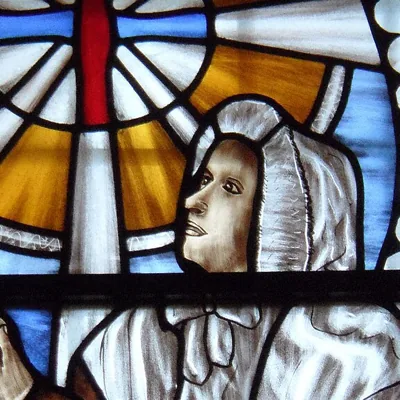
Blessed Anna Maria Taigi
Mother of a family and Roman mystic