
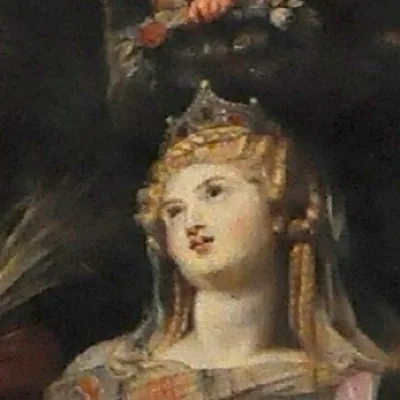
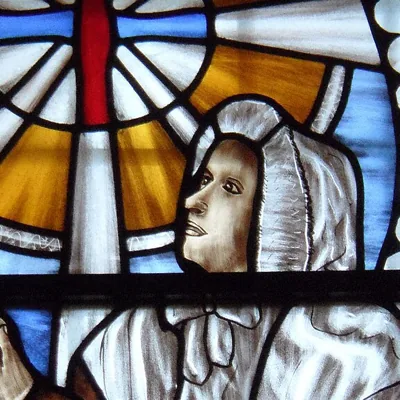
A relative of the Flavian emperors, exiled to an island in the Tyrrhenian Sea under Domitian for her Christian faith; a catacomb on the Via Ardeatina, established on her lands, bears her name.
Two ancient historians speak of her, without agreeing. According to Dio Cassius, in 95 Domitian had his cousin, the consul Flavius Clemens, executed, accused of ‘atheism’ and Jewish customs, and had his wife, Flavia Domitilla, banished to the island of Pandateria, present-day Ventotene. Eusebius of Caesarea reports, for his part, that in the fifteenth year of Domitian, Flavia Domitilla, a niece of Clemens through his sister, was deported to the island of Pontia, present-day Ponza, for having borne witness to Christ. Historians still debate whether this concerns one woman or two.
In the fourth century, Saint Jerome relates that Saint Paula, on her way to the Holy Land, visited at Pontia the cells where Domitilla had endured a ‘long martyrdom’. Inscriptions on the Via Ardeatina mention the lands of Flavia Domitilla, granddaughter of Vespasian: it was there that the Christian cemetery bearing her name developed, where Nereus and Achilleus were buried.
The legendary Acts of Nereus and Achilleus, of the fifth and sixth centuries, make her a virgin, served by the two saints and burned alive at Terracina. The Roman Martyrology of 2004 commemorates her on 7 May as a martyr, niece of the consul Flavius Clemens, exiled to Ponza for her faith. Her relics are venerated in the church of Santi Nereo e Achilleo, in Rome.
Celebrated on the same day
Blessed Gisela of Hungary
First queen of Hungary
Saint Agostino Roscelli
Founder of the Sisters of the Immaculate of Genoa
Saint David of Gareja
Hermit, one of the Thirteen Syrian Fathers
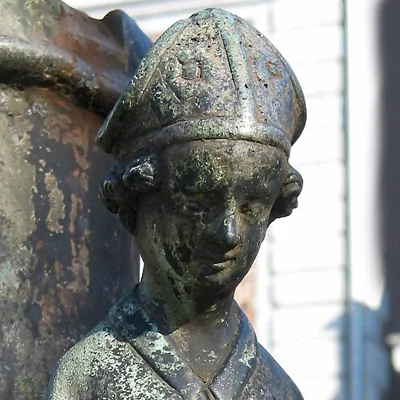
Saint Domitian of Huy
Bishop of Tongeren-Maastricht, patron of Huy
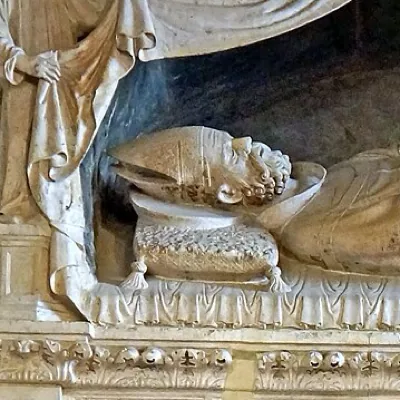
Saint Domnius
Martyr bishop of Salona, patron of Split
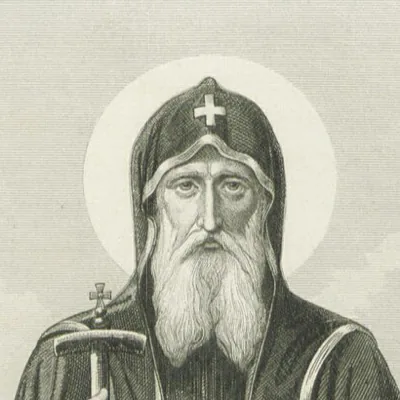
Saint Ioane Zedazneli
Leader of the thirteen Syrian Fathers
Saint John of Beverley
Bishop of Hexham and York
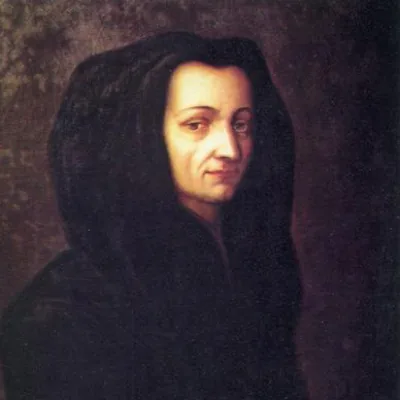
Saint Rose Venerini
Foundress of the first public schools for girls in Italy
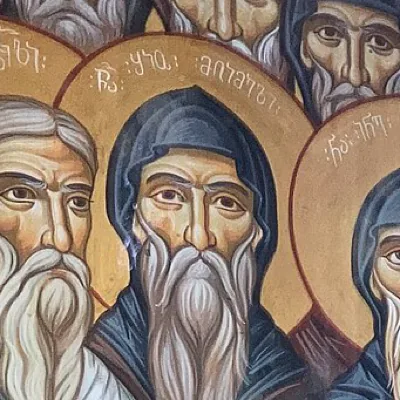
Saints Thirteen Syrian Fathers
Founders of Georgian monasticism
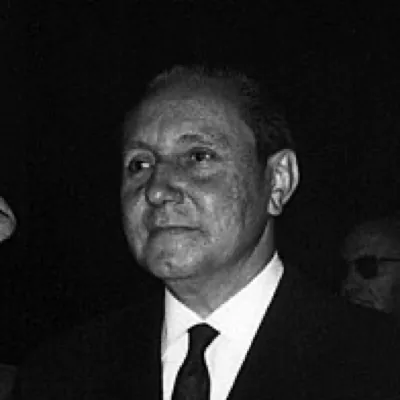
Servant of God Tomás Alvira
Educator, husband and father of a family
In the same region
Blessed Angelina of Marsciano
Foundress of the Franciscan Sisters of the Third Order Regular
Blessed Anna Rosa Gattorno
Widow, foundress of the Daughters of St Anne
Blessed Anna Maria Taigi
Mother of a family and Roman mystic