
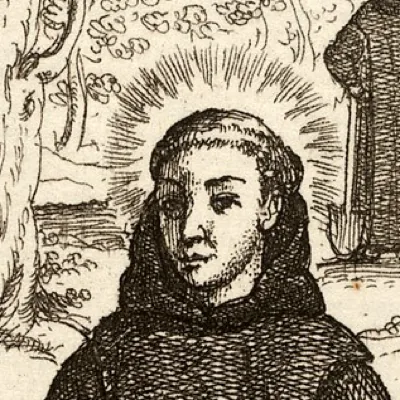
A hermit from Ireland, welcomed by Saint Faro at Breuil, near Meaux, he cultivated a garden there to feed the poor and became the patron of gardeners.
Born in Ireland into a noble family, said by late accounts to be royal, Fiacre is supposed first to have lived as a hermit in his own country. He left his homeland in the seventh century and reached the region of Meaux, where Bishop Saint Faro, protector of the monks who had come in the wake of Saint Columbanus, welcomed him. Faro granted him a secluded spot in his forest, Breuil, in the Brie. Fiacre built a cell there and an oratory dedicated to the Virgin Mary, and cleared a garden which he cultivated with his own hands.
He lived there in prayer and manual labour, received pilgrims and the poor in a hospice and distributed the vegetables of his garden to them. Tradition relates that Faro granted him as much land as he could enclose in one day, and that the ground opened of its own accord beneath his staff; a woman of the neighbourhood, Becnaude, is said then to have accused him of sorcery. Access to his hermitage long remained forbidden to women, probably following Columbanian custom.
He died around 670, on a 30 August, and was buried in his oratory, around which the village of Saint-Fiacre grew up. His tomb became a much-frequented pilgrimage, where people came to ask for healings. In 1568, most of his relics were transferred to the cathedral of Meaux. Around 1640, the hackney carriages of a Parisian hirer established in the rue Saint-Martin under the sign of Saint Fiacre gave their name to the fiacres, whence his patronage of coachmen and later of taxi drivers.
Celebrated on the same day
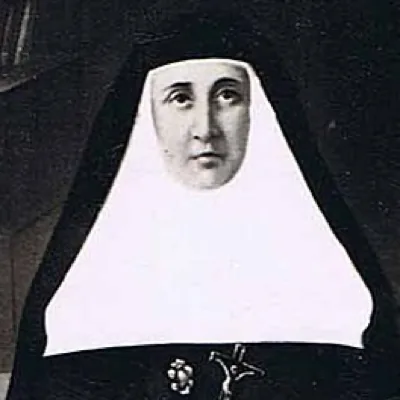
Blessed María Ràfols
Foundress of the Sisters of Charity of Saint Anne
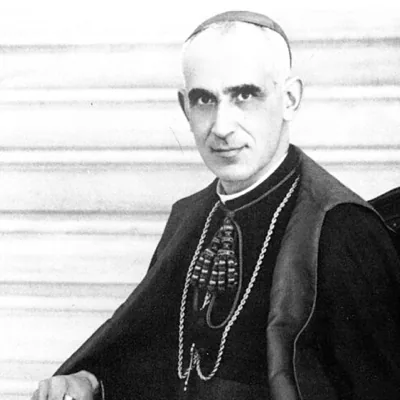
Blessed Diego Ventaja Milán, Manuel Medina Olmos and their Companions
Bishops of Almería and Guadix, Brothers of the Christian Schools, martyrs
Blessed Estephan Nehmé
Brother of the Lebanese Maronite Order
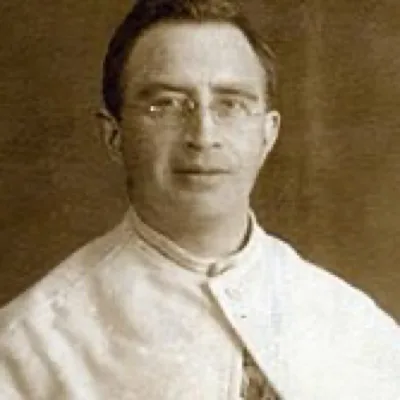
Blessed Eustáquio van Lieshout
Padre Eustáquio, apostle of Belo Horizonte
Blessed Gebre Michael
Ethiopian Vincentian priest, martyr
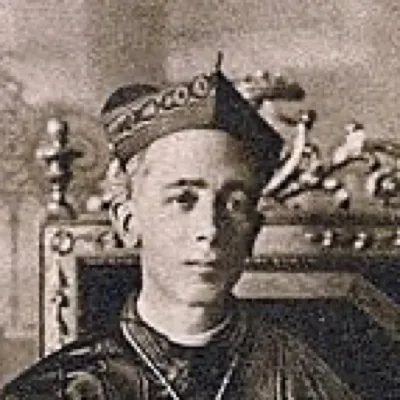
Blessed Ildefonso Schuster
Benedictine monk, Cardinal Archbishop of Milan
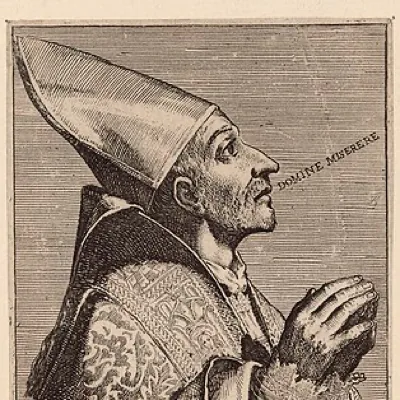
Blessed Juvenal Ancina
Physician, Oratorian and bishop of Saluzzo
Blessed Vicente Cabanes Badenas and Companions
Martyrs, Capuchin tertiaries (Amigonians)
The Sixty Martyrs of Sufes
Christians killed by a pagan riot
Saint Bononius
Abbot of Lucedio
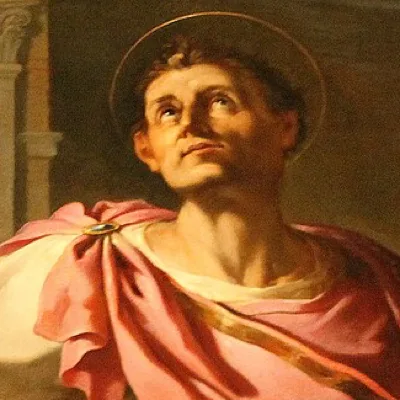
Saint Pammachius
Roman senator turned monk, builder and friend of the poor
Saint Peter of Trevi
Hermit and itinerant preacher
Saint Euphrasia Eluvathingal
Syro-Malabar Carmelite, the "Praying Mother" of Ollur
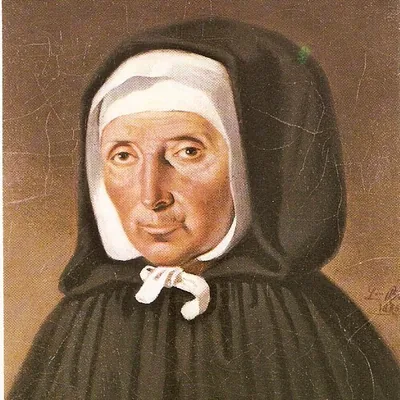
Saint Jeanne Jugan
Foundress of the Little Sisters of the Poor
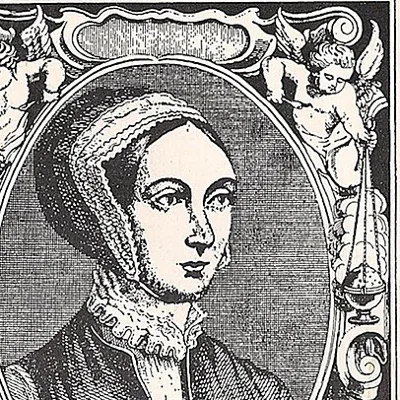
Saint Margaret Clitherow
The “Pearl of York”
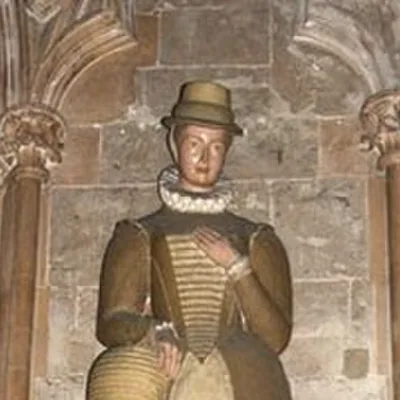
Saint Margaret Ward
The “Pearl of Tyburn”
In the same region
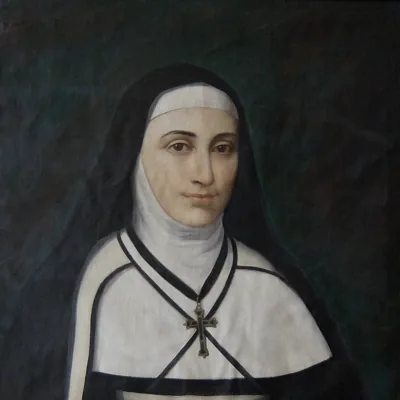
Blessed Adèle de Batz de Trenquelléon
Foundress of the Daughters of Mary Immaculate
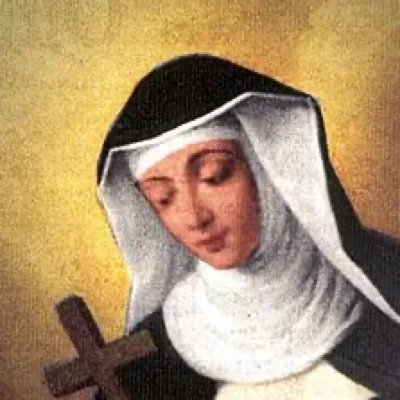
Blessed Agnes of Langeac
Dominican mystic of the Velay
Blessed Alix Le Clerc
Foundress of the Congregation of Notre Dame