
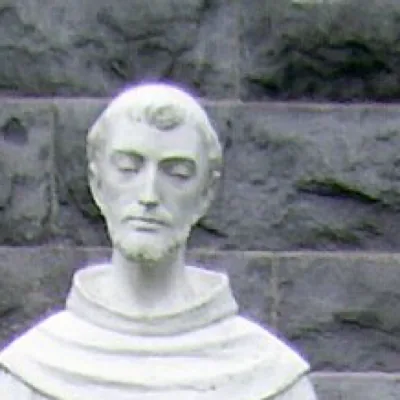
Founder of monasteries on the islands off the Connacht coast and then of the abbey of Fore, in Westmeath, he died in the great plague of 665.
Féchín, "the little raven", is known from the annals, the martyrologies and two late Lives: an Irish Life put in writing in 1328 and a Latin Life composed around 1400 by Augustine Mac Graidín. According to them, he was born at Billa, near Ballysadare, in present-day County Sligo, and trained with Saint Nathy of Achonry, then at Clonmacnoise.
He founded communities on the islands of Omey and Ardoileán, off Connemara, then his principal monastery at Fobar, Fore, in present-day County Westmeath, where tradition credits him with three hundred monks. Gerald of Wales reports in the twelfth century the legend of the mill which the saint is said to have hollowed out with his own hands in the rock; this "mill without a race" is among the "wonders of Fore" that are still shown.
Féchín died in 665 in the plague that ravaged Ireland. His cult spread as far as Scotland, where the village of St Vigeans, near Arbroath, bears his Latinised name, Vigeanus. In the Middle Ages the Lacys built at Fore a Benedictine priory dedicated to Saint Féchín and Saint Taurin, whose ruins survive.
Celebrated on the same day
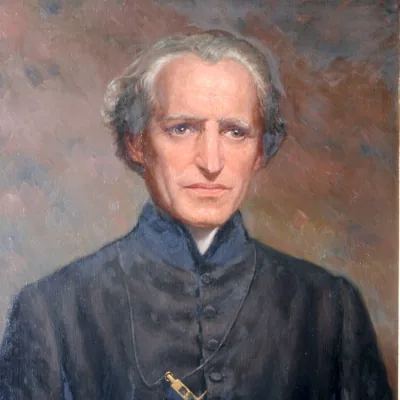
Blessed Basil Moreau
Founder of the Congregation of Holy Cross
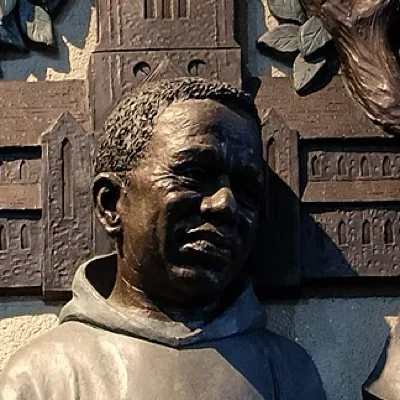
Blessed Cyprian Michael Iwene Tansi
Igbo priest, Trappist monk
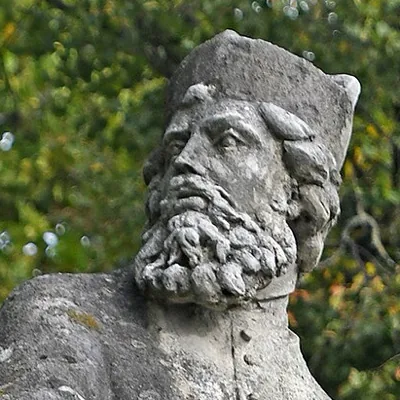
Blessed Eusebius of Esztergom
Founder of the Paulines
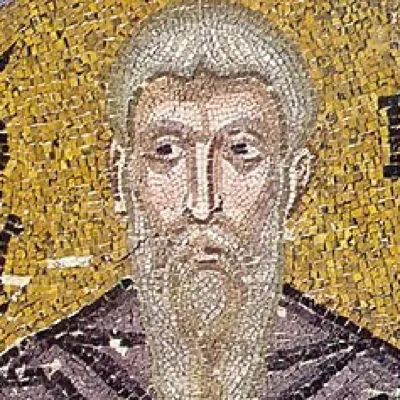
Saint Euthymius the Great
Abbot, father of the monks of the Judaean desert
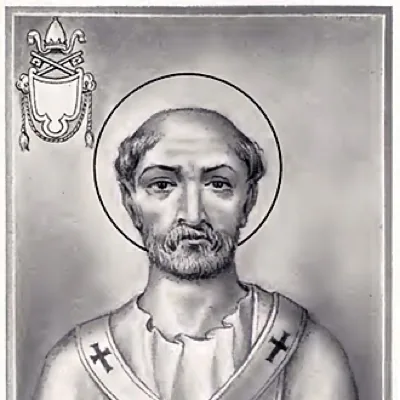
Saint Fabian
Pope and martyr of the persecution of Decius
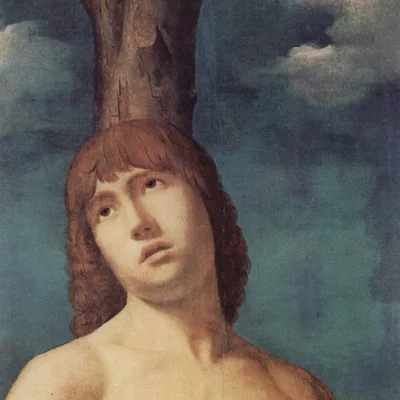
Saint Sebastian
Martyr of Rome
Saint Eustochia Calafato
Poor Clare, reformer of Messina
Saint Maria Cristina Brando
Foundress of the Sisters Victims of Jesus in the Sacrament
In the same region
Blessed Margaret Ball
Former Lady Mayoress of Dublin, who died in prison
Blessed Columba Marmion
Abbot of Maredsous, spiritual master
Blessed Dermot O’Hurley
Archbishop of Cashel, martyr