
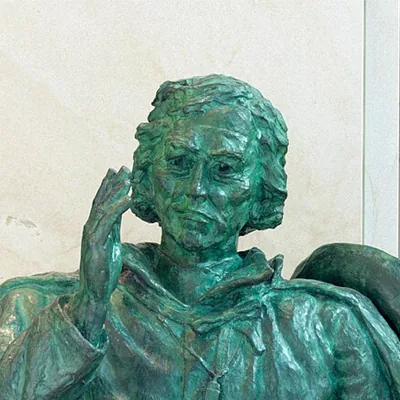
A Jesuit from Trentino, astronomer and cartographer, he founded some twenty missions in the Sonoran desert and present-day Arizona, and showed that Baja California is not an island.
Born on 10 August 1645 at Segno, in the Val di Non (episcopal principality of Trent), Eusebio Chini entered the Society of Jesus in 1665 and trained in mathematics and astronomy in Germany. Destined for the missions, he was sent to New Spain, where he arrived in 1681 after a shipwreck off Cádiz; in Mexico City he published an Exposición astronómica on the comet of 1680.
Cartographer of Isidro de Atondo's expedition to Baja California (1683-1685), he founded the mission of San Bruno, abandoned for lack of supplies. In 1687 he reached the Pimería Alta, in northern Sonora, and founded the mission of Nuestra Señora de los Dolores, from which he ranged for twenty-four years: he founded or visited some twenty missions, including San Xavier del Bac and Tumacácori in present-day Arizona, introduced stock-raising and new crops, and defended the Pima against forced labour.
His expeditions on horseback took him as far as the confluence of the Gila and the Colorado and enabled him to establish that California is a peninsula. He died on 15 March 1711 at Magdalena, in Sonora, where he had come to consecrate a chapel to Saint Francis Xavier; his remains, found in 1966, are displayed there in the town square, now Magdalena de Kino. Arizona chose him to represent it in the United States Capitol, and Pope Francis declared him venerable on 10 July 2020.
Celebrated on the same day
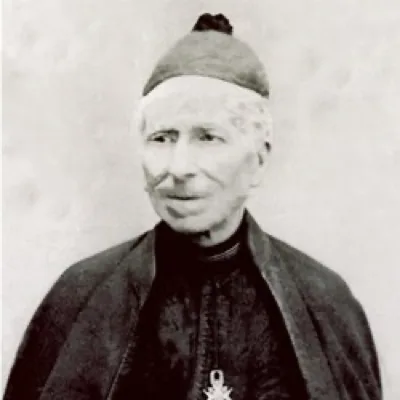
Blessed Salvador Valera Parra
“The Spanish Curé of Ars”
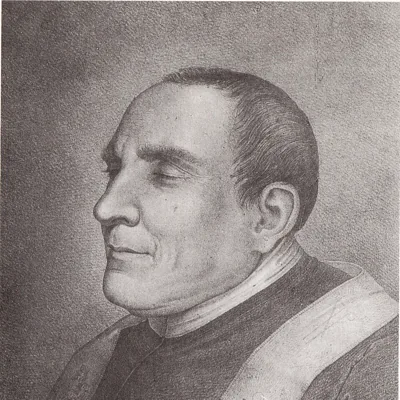
Saint Clement Mary Hofbauer
Redemptorist, apostle of Vienna
Saint Sisebut of Cardeña
Abbot of San Pedro de Cardeña
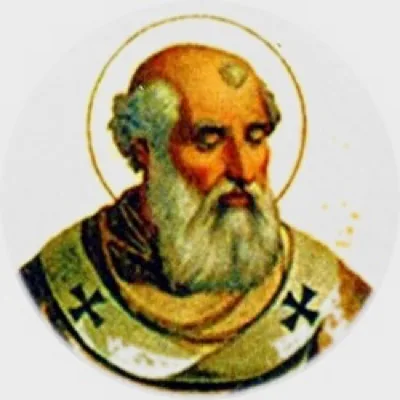
Saint Zachary (pope)
Pope, last Greek pope
Saint Leocritia of Córdoba
Converted virgin and martyr
Servant of God Akash Bashir
Former Salesian pupil, died stopping a suicide bomber in Lahore
In the same region

Blessed Concepción Cabrera de Armida
Conchita, mother of a family and mystic
Blessed Dina Bélanger
Pianist and mystic of Jesus and Mary
Blessed Émilie Tavernier-Gamelin
Foundress of the Sisters of Providence