
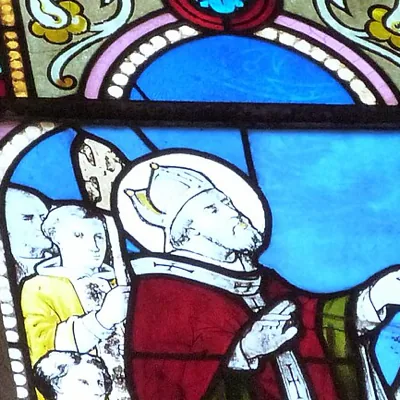
Eugenius Carthaginiensis
Saint Eugenius of Carthage
Bishop of Carthage, confessor exiled to Albi
Elected Bishop of Carthage after twenty-three years of vacancy, he defended the Catholic faith at the conference of 484, suffered two exiles under the Vandal kings and died at the monastery he had founded near Albi.
In 480 or 481, at the request of the emperor Zeno and of Placidia, King Huneric authorised the election of a bishop at Carthage, vacant since the death of Deogratias. Eugenius, elected unanimously, became beloved for his charity and austerity, to the point of worrying the king, who forbade the Vandals to frequent his cathedral. In February 484, at the conference at which Huneric set Catholic and Arian bishops against each other, he is credited with the profession of faith presented by the Catholics, which Victor of Vita has preserved.
The aborted conference served as a pretext for persecution: Eugenius was deported to the desert of Tripolitania, from where he wrote a letter of exhortation to his faithful. Recalled by King Gunthamund, who reopened the churches in 487, he was again condemned under Thrasamund, around 496, and exiled to Gaul, among the Visigoths. He withdrew to Vieux, near Albi, built a monastery near the tomb of the martyr Amarand and died there on 13 July 505. His tomb at Vieux has remained a place of worship, and the Church of Albi honours him as one of its saints.
Celebrated on the same day
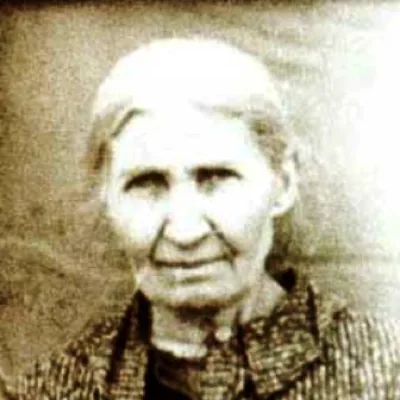
Blessed Marianna Biernacka
Peasant woman of Lipsk, who died in place of her daughter-in-law
Blessed Carlos Manuel Rodríguez
Lay apostle of the liturgy
Blessed Jacobus de Voragine
Dominican, archbishop of Genoa, author of the Golden Legend
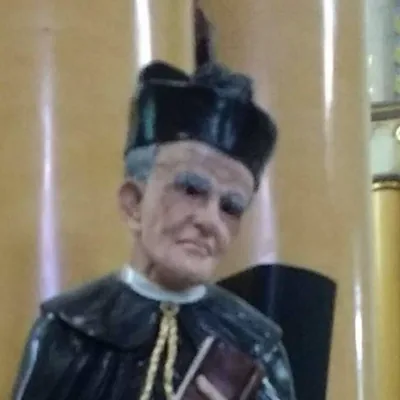
Blessed Mariano de Jesús Euse Hoyos
Padre Marianito, parish priest of Angostura
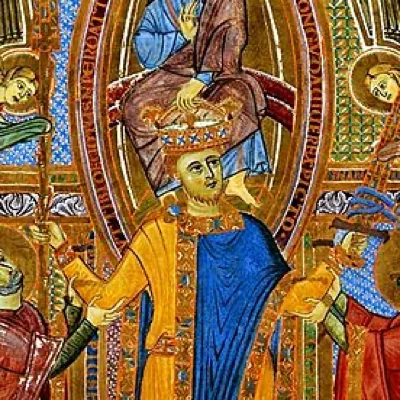
Saint Henry II
Emperor, founder of the diocese of Bamberg
Saint Silas
Prophet, companion of Saint Paul

Saint Clelia Barbieri
Foundress of the Minims of Our Lady of Sorrows
Saint Mildred
Abbess of Minster-in-Thanet
Saint Myrope of Chios
Martyr
In the same region
Blessed Anthony Neyrot
Dominican, martyr at Tunis
The Sixty Martyrs of Sufes
Christians killed by a pagan riot
Saint Aurelius of Carthage
Bishop of Carthage, primate of Africa