
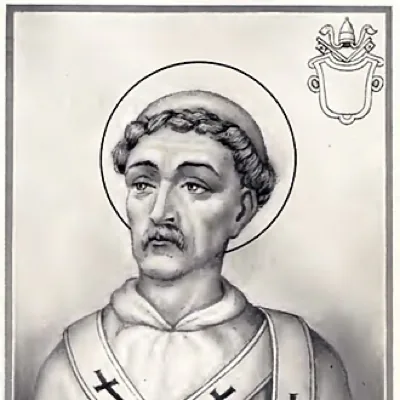
Bishop of Rome from 254 to 257, Stephen defended against Saint Cyprian of Carthage the validity of baptism given by heretics and refused that it be repeated: the position he upheld has remained that of the Church.
Successor of Pope Lucius in 254, Stephen is chiefly known from the correspondence of Saint Cyprian. The bishops of Africa reproached him for having reinstated two Spanish bishops deposed for having weakened during the persecution (Letter 67), and Cyprian urged him to have Marcian, Bishop of Arles, who had rallied to the schism of Novatian, deposed (Letter 68). Then the baptismal controversy broke out: in Africa and Asia Minor, those who had received baptism in a heretical sect were rebaptised. Stephen opposed this in the name of Roman tradition, according to which it was enough to lay hands on them in sign of penance.
The conflict was sharp. Stephen threatened to break communion with the Churches that rebaptised, and Firmilian, Bishop of Caesarea in Cappadocia, attacked him harshly in a letter preserved among those of Cyprian. Dionysius of Alexandria intervened for peace (Eusebius, Ecclesiastical History, VII, 5). The persecution of Valerian interrupted the quarrel; the Council of Arles of 314, then Saint Augustine, were to vindicate Stephen's position.
He died on 2 August 257. The Depositio episcoporum of 354, which ranks him among the bishops and not among the martyrs, commemorates him on that day in the cemetery of Callixtus. A late Passion has him beheaded on his chair during Mass, a detail borrowed from the martyrdom of his successor Sixtus II; the Roman Martyrology of 2004 does not give him the title of martyr. Relics and a chair attributed to him are venerated at Pisa, in the church of Santo Stefano dei Cavalieri.
Explore the 11 moments of their life →
If anyone comes to you from any heresy whatever, let nothing be innovated beyond what has been handed down: let hands be laid on him for repentance.
Celebrated on the same day
Blessed Joan of Aza
Mother of Saint Dominic
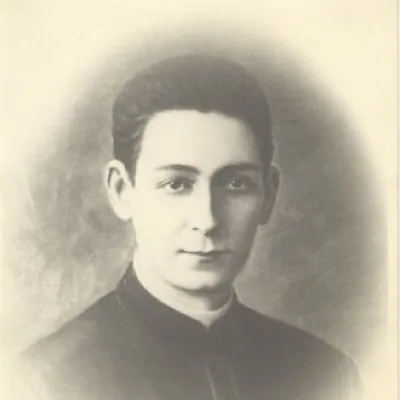
Blessed August Czartoryski
Prince turned Salesian
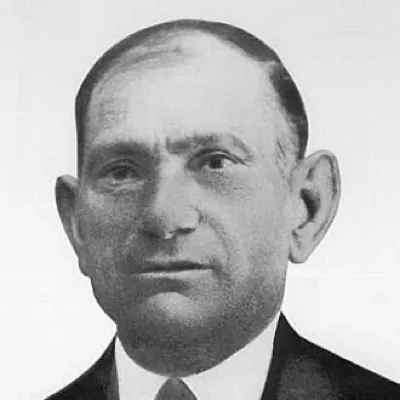
Blessed Ceferino Giménez Malla
“El Pelé”, Gypsy martyr of Barbastro
Saint Eusebius of Vercelli
First Bishop of Vercelli, confessor of the faith
Saint Giustino Maria Russolillo
Parish priest of Pianura, founder of the Vocationists
Saint Peter of Osma
Bishop of Osma
Saint Peter Julian Eymard
Apostle of the Eucharist
Saint Centolla
Virgin and martyr of the region of Burgos
In the same region
Blessed Angelina of Marsciano
Foundress of the Franciscan Sisters of the Third Order Regular
Blessed Anna Rosa Gattorno
Widow, foundress of the Daughters of St Anne
Blessed Anna Maria Taigi
Mother of a family and Roman mystic