
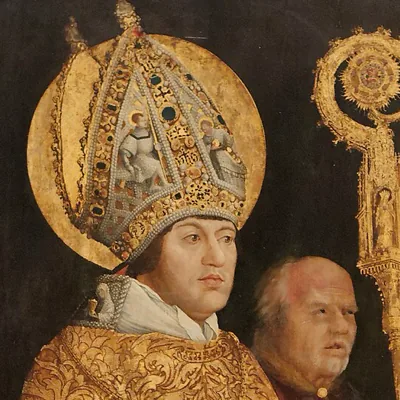
A bishop martyred around 303, honoured at Formia and then at Gaeta, where his relics rest, under the name of Elmo he is the patron of sailors, who gave his name to "Saint Elmo's fire".
The surest fact is his tomb: at the end of the sixth century Saint Gregory the Great attests that the body of the martyr Erasmus rests at Formia, on the coast of southern Lazio, then the seat of a bishopric. When the Saracens destroyed Formia in 842, his relics were put in safety at Gaeta; the cathedral of Gaeta is dedicated to him and he is the patron of the city.
His late Passion makes him a bishop of Antioch who, after fleeing to Lebanon and suffering atrocious tortures under Diocletian, was led by an angel to Italy and died at Formia. Late medieval art represented him with his belly cut open, his entrails wound round a windlass: this capstan, the attribute of the sailors whose protector he was, was probably understood afterwards as the instrument of his torture. Nicolas Poussin painted this martyrdom for Saint Peter's Basilica.
Under the name Elmo, a contraction of Erasmus, he is invoked by seafarers throughout the Mediterranean: the electric glows that appear at the top of masts in stormy weather are called "Saint Elmo's fire" and were taken as a sign of his protection. He is one of the Fourteen Holy Helpers, invoked notably against stomach ailments.
Celebrated on the same day
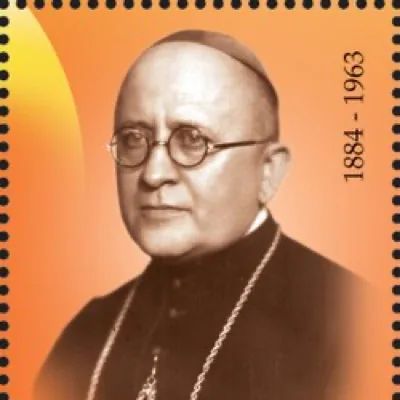
Blessed Alexandru Rusu
First Bishop of Maramureș, died in prison
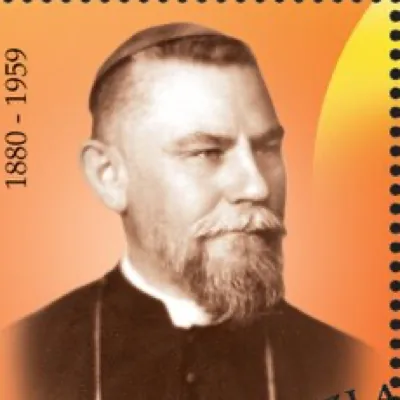
Blessed Ioan Bălan
Bishop of Lugoj, confessor of the faith
Blessed Sadoc and his Forty-Eight Companions
Dominican martyrs of Sandomierz
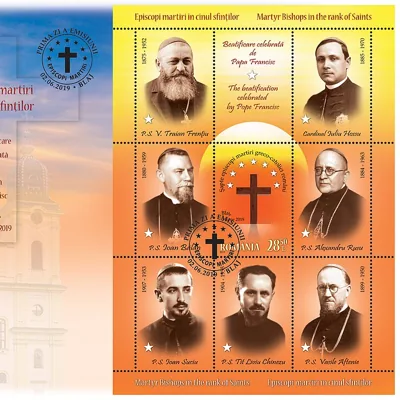
Blessed Seven Greek-Catholic Martyr Bishops of Romania
Bishops of the Romanian Church united with Rome, who died under the communist regime
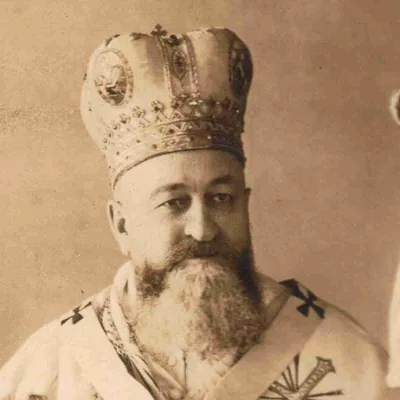
Blessed Valeriu Traian Frențiu
Bishop of Oradea, died in prison
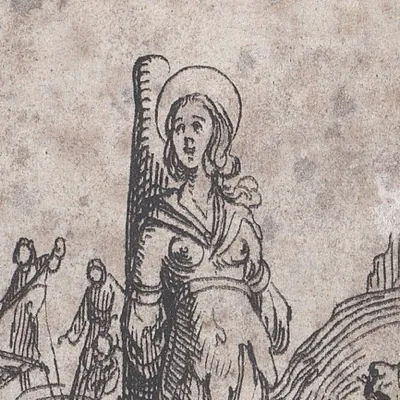
The Martyrs of Lyon
The forty-eight martyrs of 177
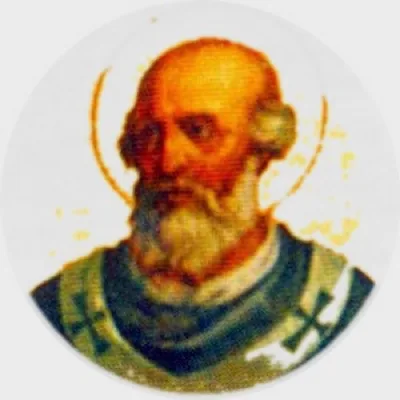
Saint Eugene I
Pope, successor of Martin I
Saint Guy of Acqui
Bishop of Acqui
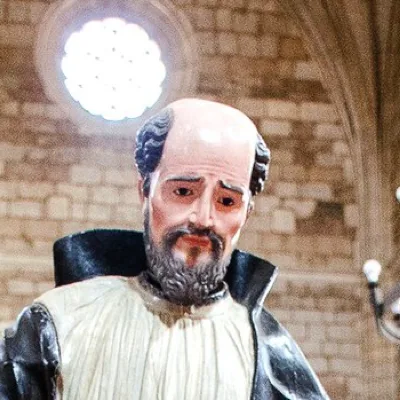
Saint John of Ortega
Priest, builder of the Way of Saint James
Saint Nicephorus of Constantinople
Bishop of Constantinople, historian
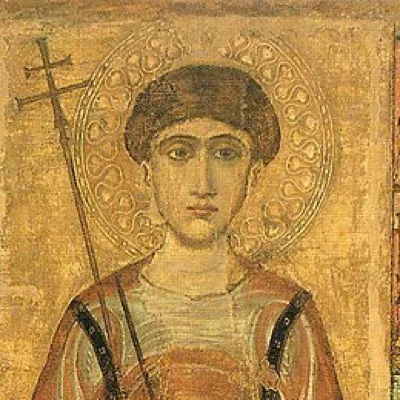
Saint Nicholas the Pilgrim
Greek pilgrim, the fool of the Kyrie eleison
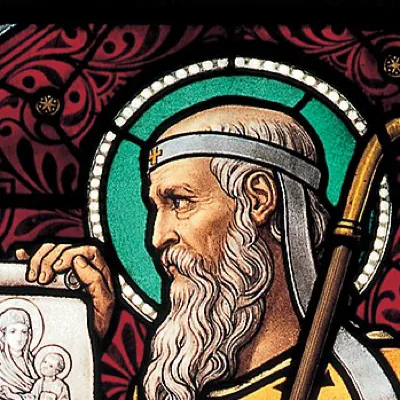
Saint Pothinus
First bishop of Lyon, martyr
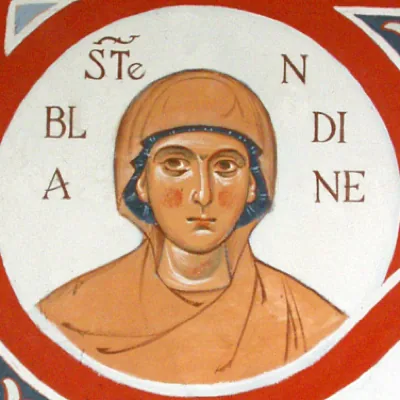
Saint Blandina
Slave and martyr of Lyon
Saints Marcellinus and Peter
Priest and exorcist, martyrs of Rome
In the same region
Blessed Angelina of Marsciano
Foundress of the Franciscan Sisters of the Third Order Regular
Blessed Anna Rosa Gattorno
Widow, foundress of the Daughters of St Anne
Blessed Anna Maria Taigi
Mother of a family and Roman mystic