
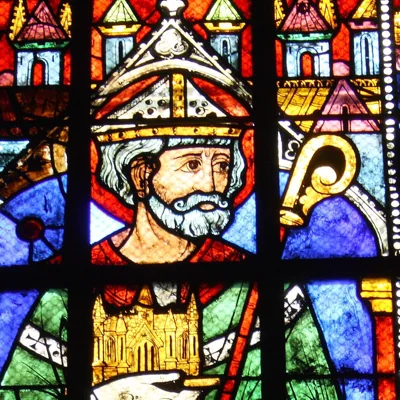
A goldsmith from the Limousin who became counsellor to King Dagobert, he was later Bishop of Noyon and Tournai and evangelised Flanders.
Born around 588 at Chaptelat, near Limoges, Eligius learned goldsmithing at the mint of Limoges, then went to Paris. Commissioned by Clotaire II to make a golden throne, he made two with the metal he was given, proof of an honesty that won him the king's trust. A moneyer, then counsellor to Dagobert I, he obtained in 636 the submission of the Breton king Judicaël. He devoted his income to ransoming slaves and founded the abbey of Solignac in 632, then in Paris a convent of women entrusted to Saint Aurea.
After Dagobert's death he left the court with his friend Audoin (Ouen), the future Bishop of Rouen, was ordained priest and in 641 received the see of Noyon and Tournai, an immense diocese stretching to Ghent and Courtrai. There he travelled through Flanders, still largely pagan, preached against superstitions, of which one of his sermons preserves a trace, and founded monasteries, while taking part in the life of the Frankish Church, notably at the Council of Chalon-sur-Saône. He recovered the body of Saint Quentin and in 654 translated that of Saint Fursey to Péronne.
He died at Noyon on 1 December 660; Queen Bathilde, hastening to his bedside, arrived too late. He was buried at Noyon, and his relics were translated several times in the Middle Ages. His Life, written by Saint Audoin, fixed his memory. Patron of goldsmiths and then of all the metal trades and of horses, he has remained very popular in France and Belgium, and the song of "Good King Dagobert" later made him a familiar figure.
Celebrated on the same day
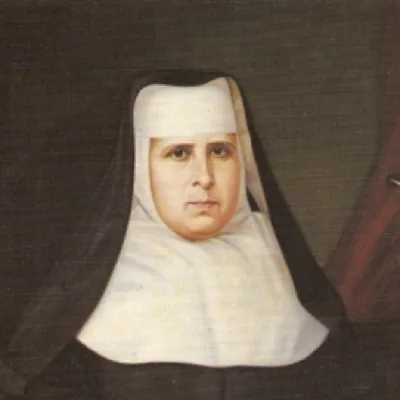
Blessed Maria Clara of the Child Jesus
Foundress of the Franciscan Hospitaller Sisters, “mother of the poor”
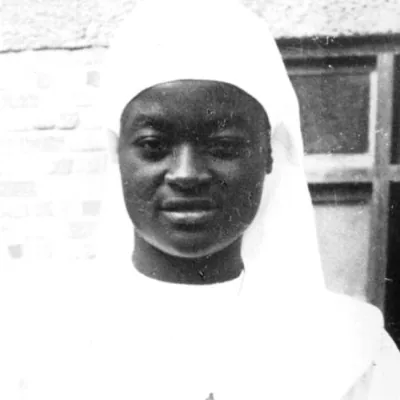
Blessed Marie-Clémentine Anuarite Nengapeta
Religious sister, virgin and martyr
Blessed John Beche
Last abbot of Colchester, martyr
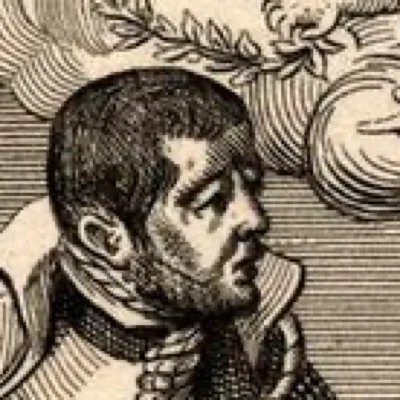
Saint Alexander Briant
Priest and Jesuit, martyr at twenty-five
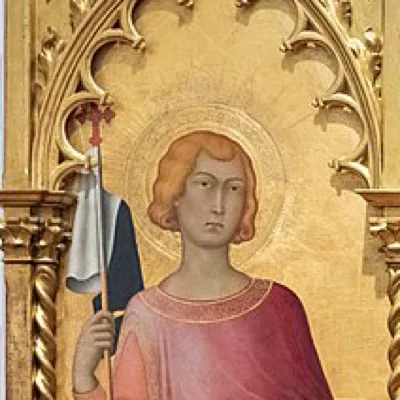
Saint Ansanus
Martyr, ‘baptiser’ of Siena
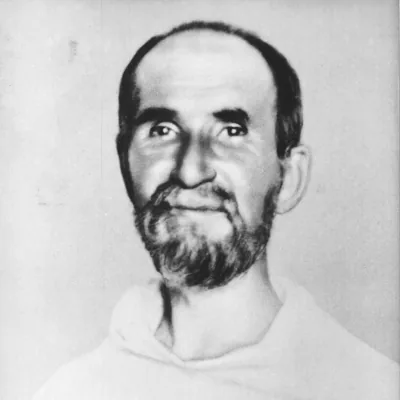
Saint Charles de Foucauld
Hermit in the Sahara, “universal brother”
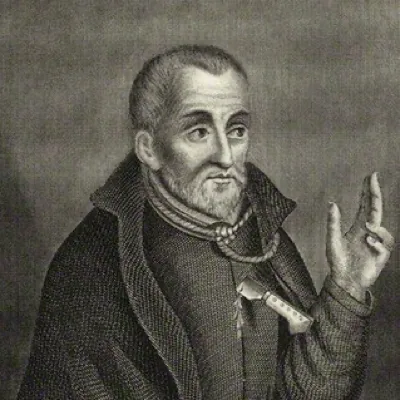
Saint Edmund Campion
Jesuit, martyr and controversialist
Saint Raoul Sherwin
Protomartyr du Collège anglais de Rome
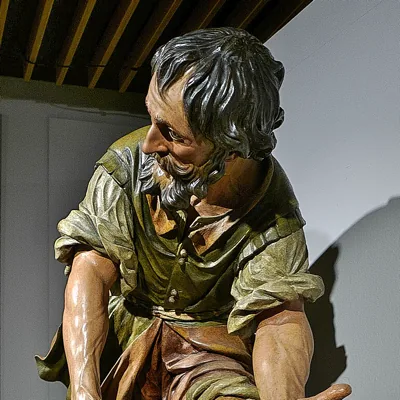
Saint Simon de Cyrène
Celui qui porta la croix du Christ
In the same region
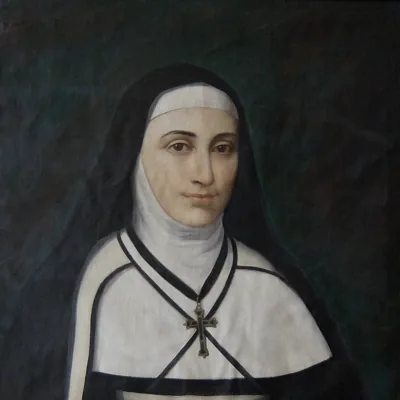
Blessed Adèle de Batz de Trenquelléon
Foundress of the Daughters of Mary Immaculate
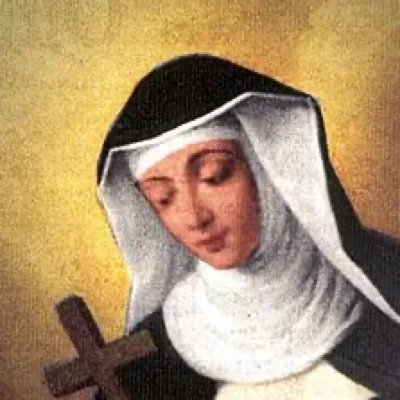
Blessed Agnes of Langeac
Dominican mystic of the Velay
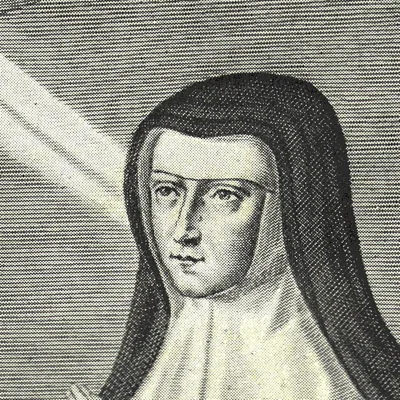
Blessed Alix Le Clerc
Foundress of the Congregation of Notre Dame