
A Welsh priest, the glory of Oxford University and a court preacher, he defended the marriage of Catherine of Aragon, refused the oath of succession and was executed at Smithfield in 1540.
Born in Wales around 1478, Edward Powell was a fellow of Oriel College, Oxford, in 1495 and a doctor of theology in 1506. He held several benefices in the west of England: the cure of Bleadon, in Somerset, prebends of Lyme Regis, Bedminster and St Mary Redcliffe at Bristol, and the church of St Edmund at Salisbury. A highly esteemed preacher of Henry VIII, he helped him compose the Assertio septem sacramentorum against Luther and published his own refutation in 1523, hailed by the university as "the glory of Oxford".
Chosen among the four theologians charged with defending the marriage of Catherine of Aragon, he wrote a treatise on the indissolubility of that union. In 1533, at Bristol, he preached against Hugh Latimer, who complained of it to Cromwell, and then denounced the king's marriage to Anne Boleyn. Deprived of his offices, he was condemned in November 1534, with John Fisher, for refusing the oath of succession, and shut up in the Tower.
He remained there nearly six years. On 30 July 1540 he was dragged to Smithfield on the same hurdle as the reformer Robert Barnes: three Catholics, including Thomas Abel and Richard Fetherston, were hanged and quartered there as traitors, and three Protestants burned as heretics. Leo XIII beatified him on 29 December 1886.
Celebrated on the same day
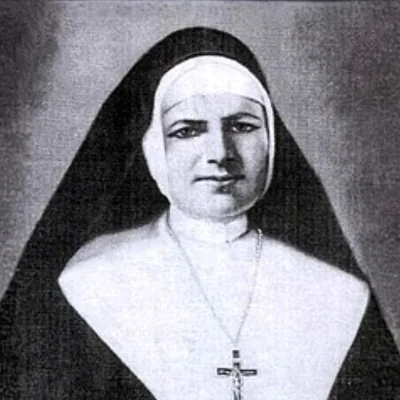
Blessed María Vicenta de Santa Dorotea Chávez Orozco
The foundress of the Hospital of the Holy Trinity
Blessed Zdenka Schelingová
Sister of Charity of the Holy Cross, martyr
Blessed Manes de Guzmán
Dominican, brother of Saint Dominic
Blessed Solanus Casey
The Capuchin doorkeeper of Detroit
Blessed Thomas Abel
Chaplain to Catherine of Aragon, martyr

Saint Peter Chrysologus
Bishop of Ravenna, Doctor of the Church
Saint Julitta of Caesarea
Widow and martyr
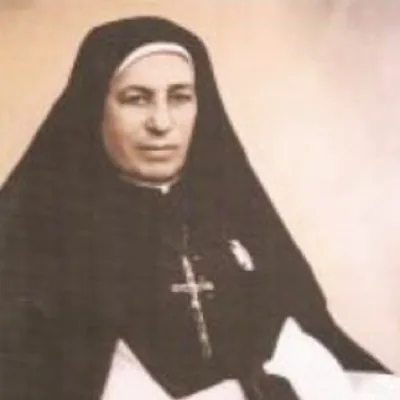
Saint María de Jesús Sacramentado Venegas de la Torre
The nurse of the Hospital of the Sacred Heart
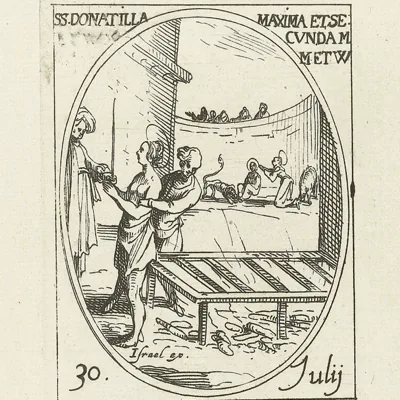
Saints Maxima, Donatilla and Secunda
Virgins and martyrs of Thuburbo
Saints Abdon and Sennen
Persian martyrs in Rome
In the same region
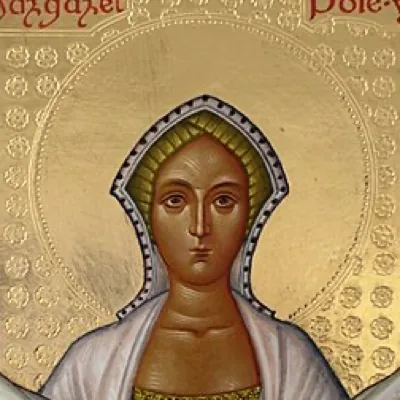
Blessed Margaret Pole
Countess of Salisbury, martyr
Blessed Adrian Fortescue
Knight of Malta, Dominican tertiary, martyr
Blessed Dominic Barberi
Passionist, apostle of England