
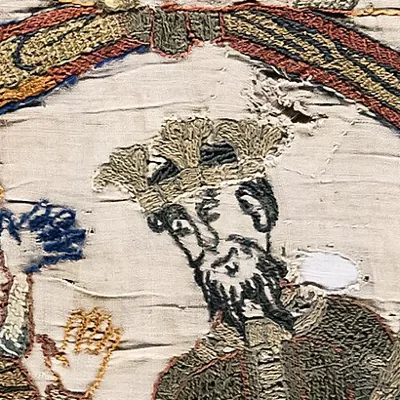
The penultimate Anglo-Saxon king, renowned for his piety and generosity, he had Westminster Abbey built, where his tomb is still venerated.
Son of King Æthelred II and Emma of Normandy, Edward spent nearly twenty-five years in exile in Normandy during the Danish domination. Recalled to England, he became king in 1042 and in 1045 married Edith, daughter of the powerful Earl Godwin, by whom he had no children. His relatively peaceful reign was marked by the rivalry between the Godwins and the king's Norman advisers.
Giving up a pilgrimage to Rome promised by vow, he obtained permission from the pope to rebuild instead the Benedictine abbey of Westminster, in the Romanesque style he had known in Normandy. The church was consecrated on 28 December 1065; the king, being ill, could not attend and died on 5 January 1066. His uncertain succession opened the way to the Norman Conquest.
Accounts of healings, notably of sufferers from scrofula, fed his reputation for holiness. Alexander III canonised him in 1161, and his relics were translated on 13 October 1163 in the presence of Thomas Becket. Henry III rebuilt Westminster in his honour; his shrine is one of the few in England still to hold the body of its saint.
Celebrated on the same day
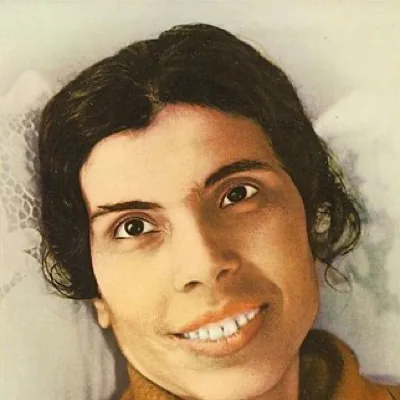
Blessed Alexandrina of Balazar
Paralysed peasant woman, victim for sinners
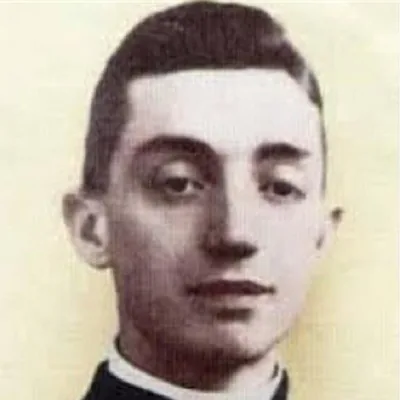
Blessed Giovanni Fornasini
Parish priest of Sperticano, martyr of Monte Sole
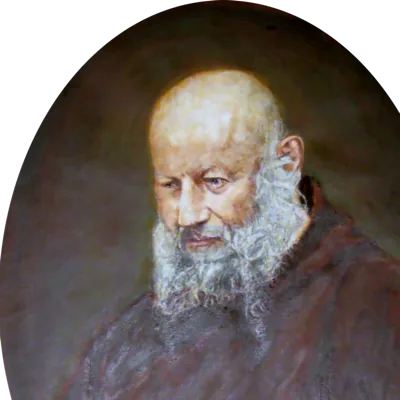
Blessed Honorat Koźmiński
Capuchin, founder of hidden congregations
Blessed Pierre-Adrien Toulorge
Premonstratensian, ‘martyr of truth’
Blessed Tomás Pallarés and Salustiano González
Vincentian martyrs of Oviedo
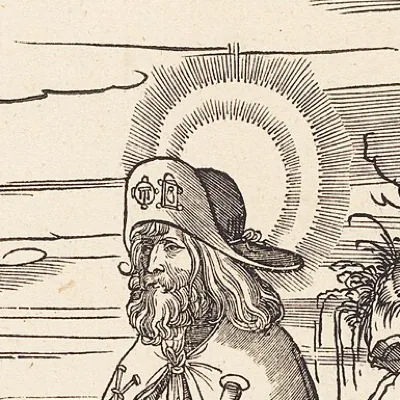
Saint Colman
Irish pilgrim, martyr of Stockerau
Saint Florentius of Thessalonica
Martyr burned alive
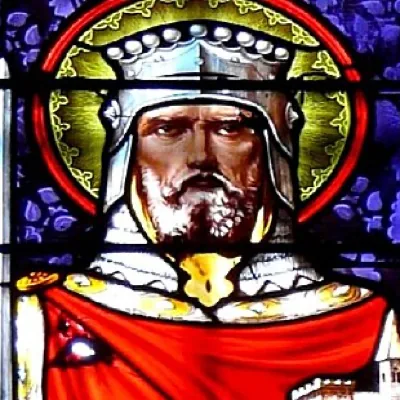
Saint Gerald of Aurillac
The holy count
Saint Luke of Demenna
Italo-Greek abbot of Armento
Saint Simpert of Augsburg
Bishop of Augsburg
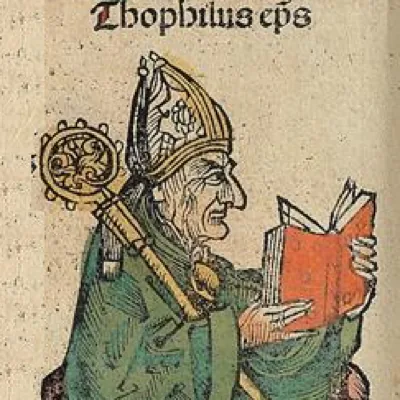
Saint Theophilus of Antioch
Bishop of Antioch, apologist
Saints Faustus, Januarius and Martialis
The "three crowns" of Córdoba
Venerable Madeleine Delbrêl
Social worker and mystic of Ivry
In the same region
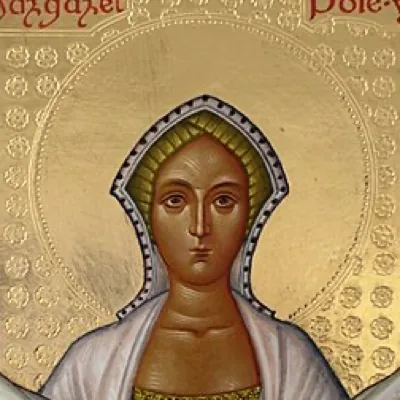
Blessed Margaret Pole
Countess of Salisbury, martyr
Blessed Adrian Fortescue
Knight of Malta, Dominican tertiary, martyr
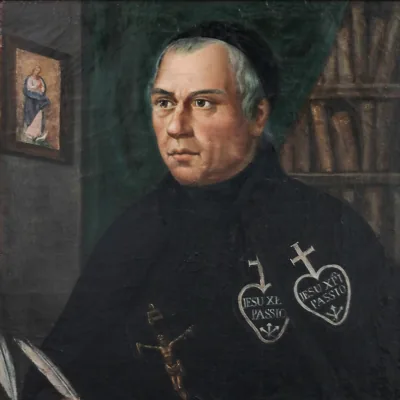
Blessed Dominic Barberi
Passionist, apostle of England