
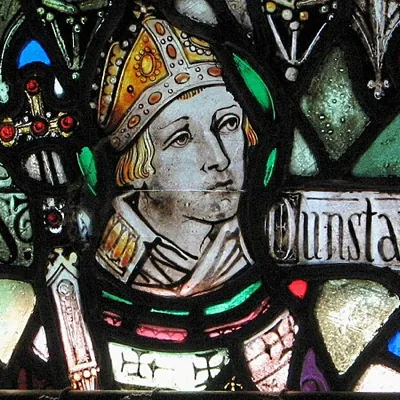
Abbot of Glastonbury and then Archbishop of Canterbury, counsellor to kings, he was the soul of the English Benedictine revival of the tenth century.
Born near Glastonbury into a noble family of Wessex, Dunstan was brought up by Irish clerics, frequented the court and received the monastic habit from his kinsman Ælfheah, Bishop of Winchester. Around 940 King Edmund I appointed him Abbot of Glastonbury, which he restored according to the Rule of Saint Benedict. Having fallen out with King Eadwig, he went into exile in 956 at the abbey of Saint Peter at Ghent, where he discovered the monastic reform of the Continent.
Recalled by King Edgar, he became Bishop of Worcester, then of London, and Archbishop of Canterbury in 959. With Saint Æthelwold and Saint Oswald he reformed the English monasteries, whose common customs were fixed around 970 by the Regularis Concordia. He crowned Edgar at Bath in 973 according to a rite that still inspires English coronations.
A musician, copyist and goldsmith, he is the subject of many legends, including that of the devil seized by the nose with red-hot tongs. He died at Canterbury on 19 May 988 and was buried there; until Thomas Becket, he was the most popular saint in England.
Celebrated on the same day
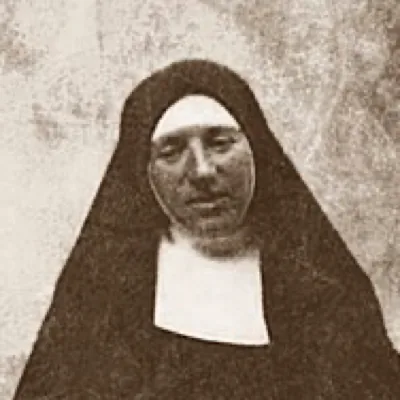
Bienheureuse Róża Czacka
Mère aveugle des aveugles, fondatrice de Laski
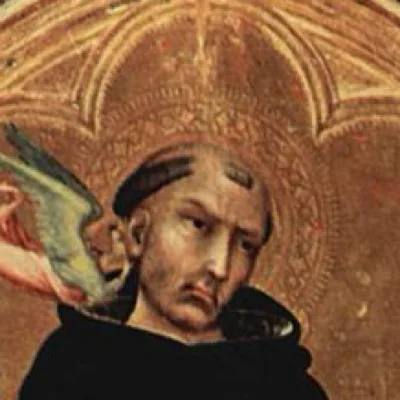
Blessed Agostino Novello
Jurist of King Manfred, prior general of the Hermits of Saint Augustine
Blessed John of Cetina and Peter of Dueñas
Franciscan martyrs at Granada
Bienheureux Raphaël-Louis Rafiringa
Frère des Écoles chrétiennes
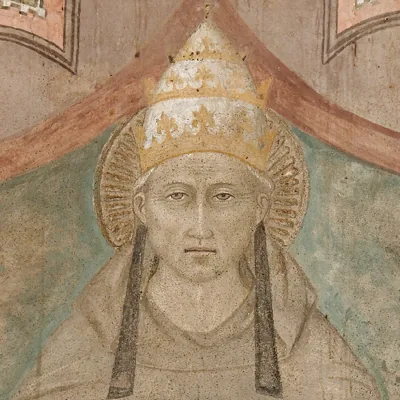
Saint Celestine V
Hermit pope, Peter of Morrone
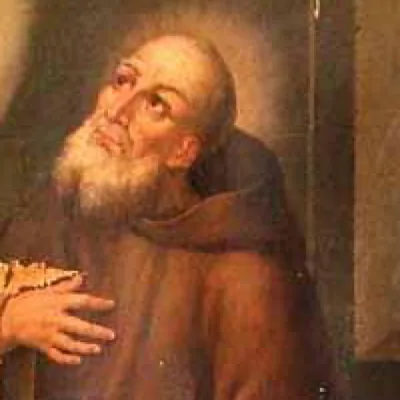
Saint Crispin of Viterbo
Capuchin brother, questor of Orvieto
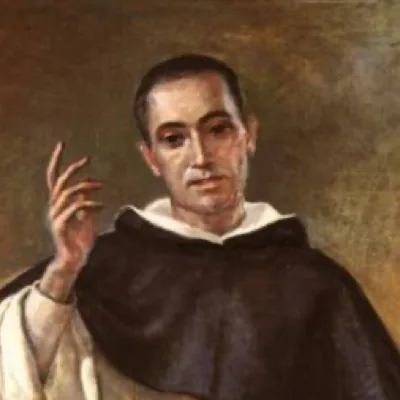
Saint Francesc Coll
Dominican, founder of the Dominican Sisters of the Annunciation
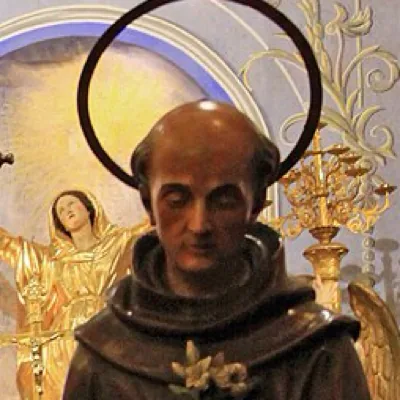
Saint Théophile de Corte
Franciscain, apôtre des retraites
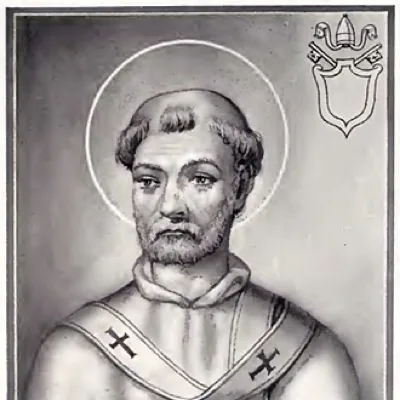
Saint Urbain Ier
Pape, successeur de Calixte
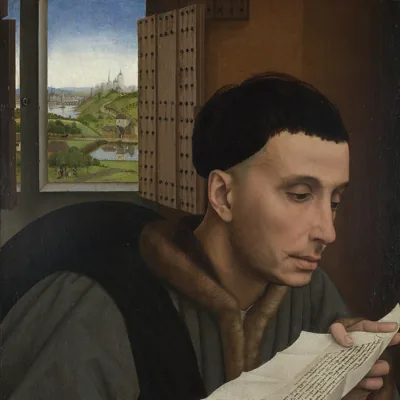
Saint Yves
Avocat des pauvres
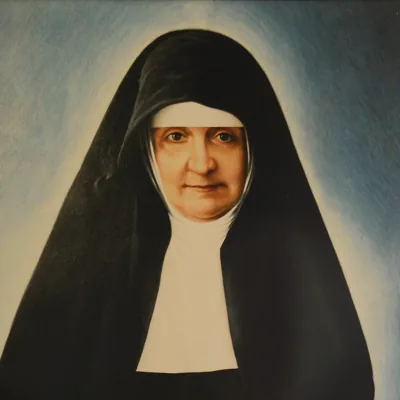
Saint Maria Bernarda Bütler
Swiss missionary of Cartagena
Sainte Pudentienne
Vierge romaine
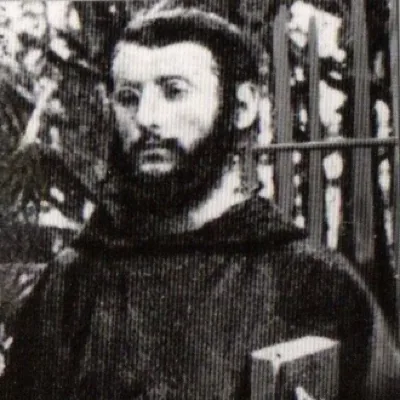
Venerable Daniel of Samarate
Leper Capuchin of Tucunduba
In the same region
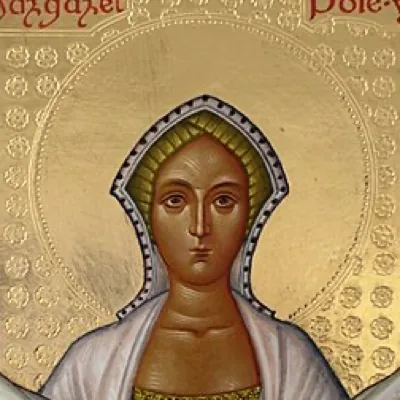
Blessed Margaret Pole
Countess of Salisbury, martyr
Blessed Adrian Fortescue
Knight of Malta, Dominican tertiary, martyr
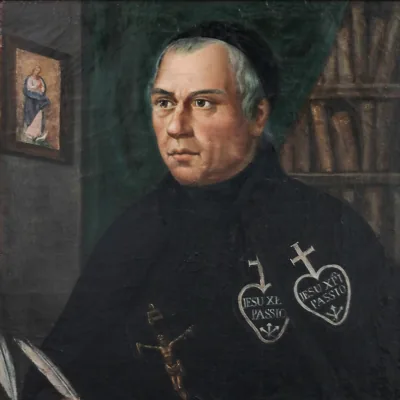
Blessed Dominic Barberi
Passionist, apostle of England