

An Irish monk settled at the confluence of the Nahe and the Glan, whose hermitage became the monastery of the Disibodenberg, where Saint Hildegard of Bingen received her formation and wrote his Life.
Disibod is first mentioned in the ninth century in the martyrology of Rabanus Maurus. According to the Life written around 1170 by Saint Hildegard of Bingen, he left Ireland, around 640 according to a modern reconstruction, with his disciples Giswald, Clement and Sallustius, wandered ten years, and then, guided by a dream, settled on the mountain overlooking the confluence of the Nahe and the Glan; a later legend has his staff, planted in the ground, burst into leaf there.
His companions built their cells there, the faithful raised him an oratory, and he taught a rough but already Christian population. Dying on an 8 July around 700, in his eighty-first year according to Hildegard, he was buried in his oratory, which became a place of pilgrimage. According to tradition, Saint Boniface raised his relics in 745, and then the monastery of the Disibodenberg developed; it was there that the young Hildegard lived enclosed with Jutta from 1112. The ruins of the monastery still overlook the valley.
Celebrated on the same day
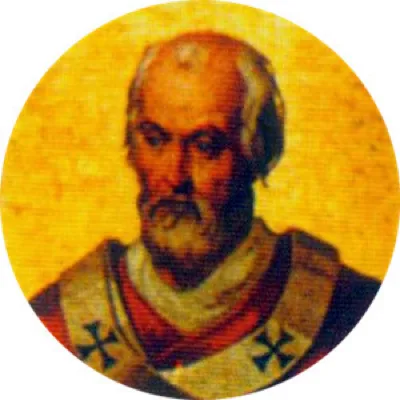
Blessed Eugene III
Cistercian pope
Blessed Floribert Bwana Chui
Lay member of Sant’Egidio, martyr of the fight against corruption
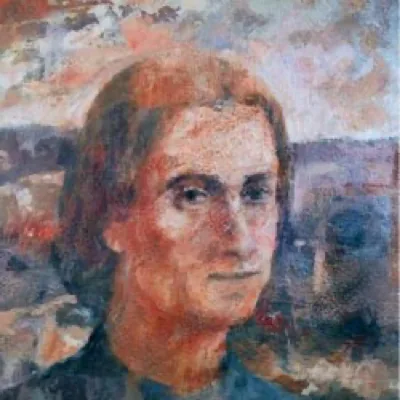
Blessed Pierre Vigne
Missionary of the Vivarais
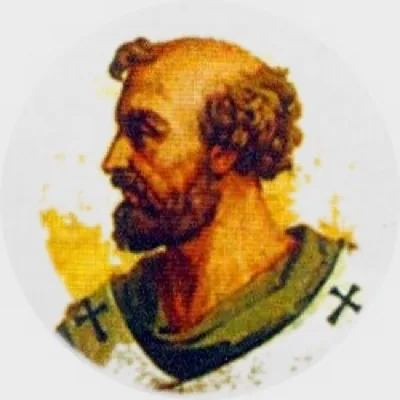
Saint Adrian III
Pope who died on the road to Worms
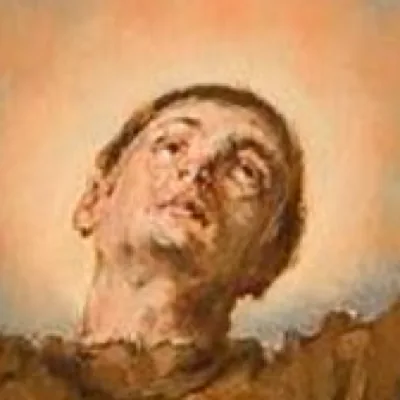
Saint John of Dukla
Franciscan, hermit and preacher
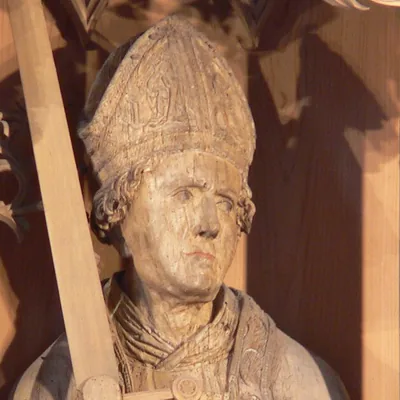
Saint Kilian of Würzburg
Irish missionary bishop, apostle of Franconia, martyr
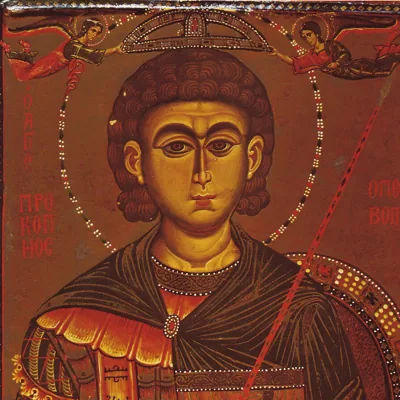
Saint Procopius
Lector, first martyr of the great persecution in Palestine
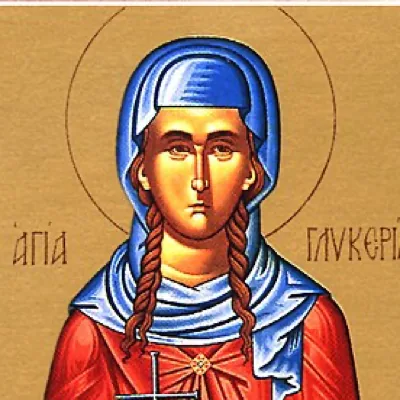
Saint Glyceria of Heraclea
Virgin and martyr
Saint Landrada
Abbess, foundress of Munsterbilzen
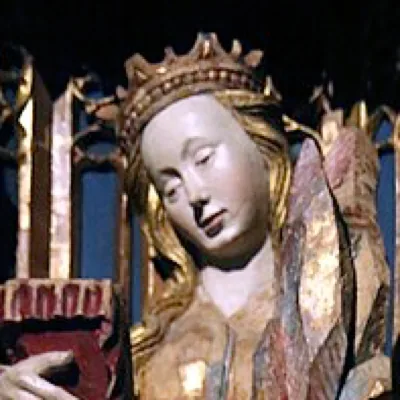
Saint Sunniva
Virgin martyr of Selja
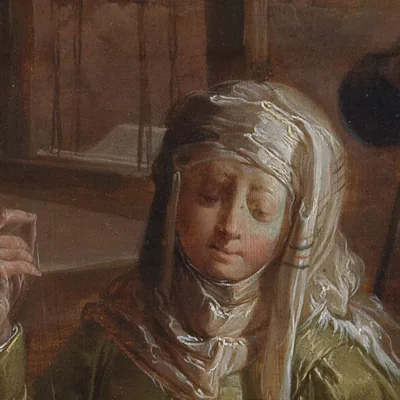
Saints Aquila and Priscilla
Husband and wife, collaborators of St Paul
In the same region

Blessed Anne Catherine Emmerich
The stigmatic of Dülmen
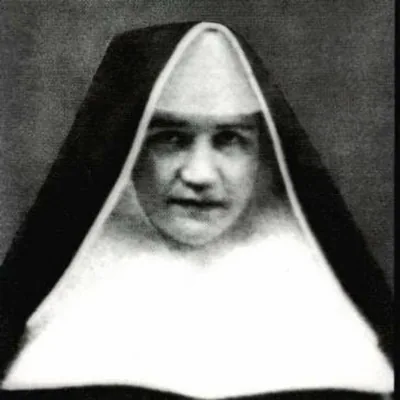
Blessed Blandine Merten
Ursuline, schoolteacher of the Saarland and Trier
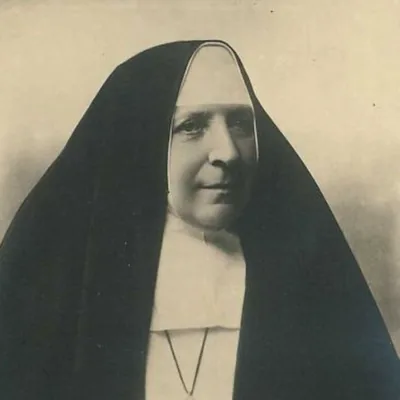
Blessed Clara Fey
Foundress of the Sisters of the Poor Child Jesus