
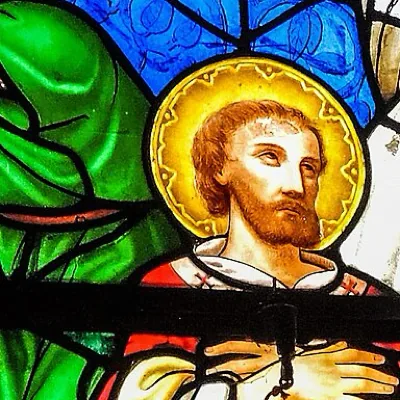
Bishop of Vienne and correspondent of Pope Gregory the Great, he was exiled and then killed on the orders, it is said, of Queen Brunhilda, whose disorders he had reproached.
Of the aristocracy of Autun, nephew according to tradition of Bishop Syagrius of Autun, Desiderius was trained in the clergy of Vienne, of which he became bishop in 596. Pope Gregory the Great addressed several letters to him, invited him to gather a synod with the bishops of the region and even reproached him for teaching grammar and reading the pagan poets. Having blamed the conduct of Queen Brunhilda and of her grandson Theuderic II, king of Burgundy, he was deposed at the Council of Chalon-sur-Saône in 603 and banished to an island, perhaps the Île Barbe, near Lyon.
Recalled to Vienne, he was arrested again. According to the Roman Martyrology, he was stoned by soldiers and finished off with blows of a stick in the territory of Lyon, in 606 or 607; other historians hold 611. The place of the murder, Priscianicum, became Saint-Didier-sur-Chalaronne, in the Ain. Shortly afterwards the Visigothic king Sisebut wrote in Spain the account of his passion. The direct responsibility of Brunhilda, reported by chroniclers hostile to the queen, is disputed. His body was then brought back to Vienne and laid in the church of Saint Peter.
Celebrated on the same day
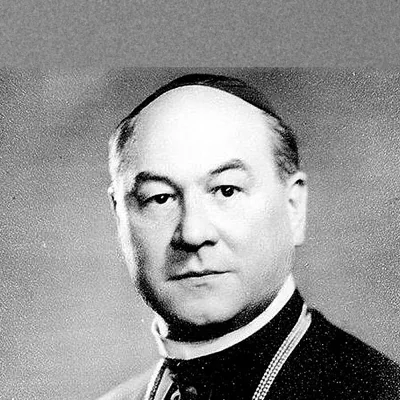
Blessed Vilmos Apor
Bishop of Győr, martyr
Saint Desiderius of Langres
Bishop of Langres, martyr
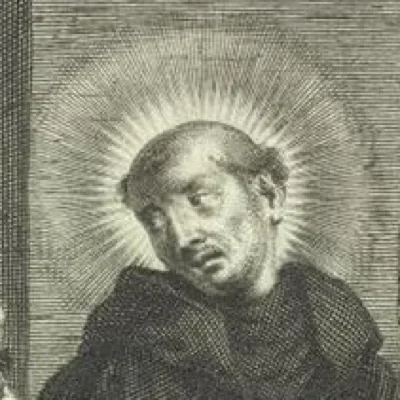
Saint Guibert of Gembloux
Founder of the abbey of Gembloux

Saint John Baptist de Rossi
Roman priest, apostle of the poor and the abandoned
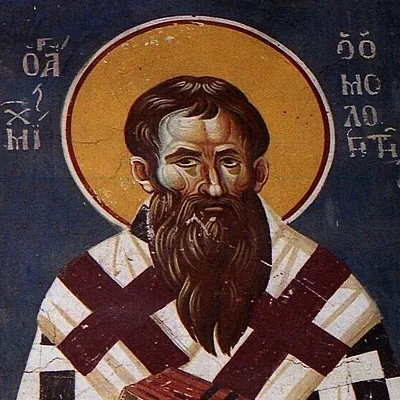
Saint Michael of Synnada
Bishop of Synnada, confessor
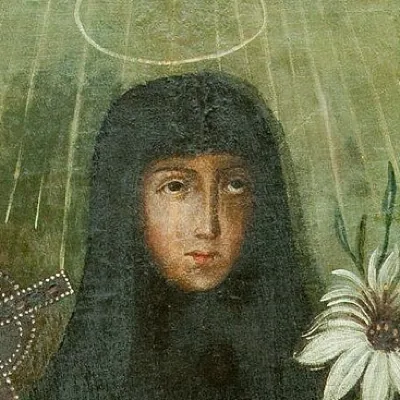
Saint Euphrosyne of Polotsk
Princess and nun, patroness of Belarus
Saints Lucius, Montanus and Companions
Martyrs of Carthage, disciples of Cyprian

Venerable Emil Kapaun
Military chaplain who died in captivity in Korea
In the same region
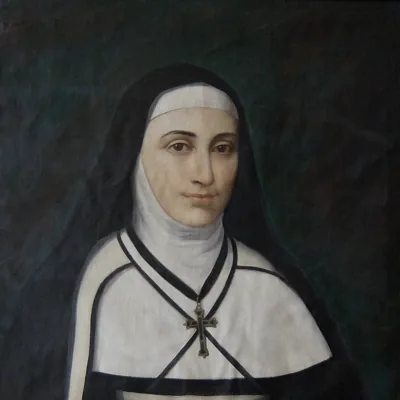
Blessed Adèle de Batz de Trenquelléon
Foundress of the Daughters of Mary Immaculate
Blessed Agnes of Langeac
Dominican mystic of the Velay
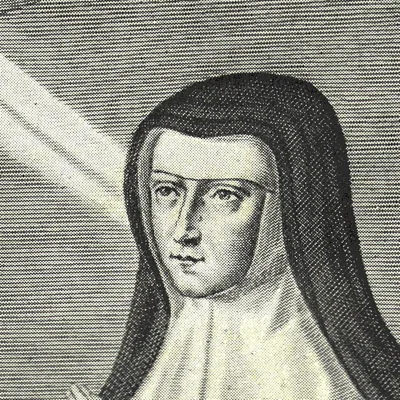
Blessed Alix Le Clerc
Foundress of the Congregation of Notre Dame