
Treasurer to the kings Clotaire II and Dagobert, friend of Saint Eligius, he succeeded his murdered brother on the see of Cahors and covered the city with churches, monasteries and public works.
Born around 580 in the Albigeois, into a family of the Gallo-Roman aristocracy, son of Salvius and Herchenfreda, Desiderius was brought up with his brothers Rusticus and Syagrius at the court of Clotaire II; Rusticus became abbot of the palace basilica there, Syagrius would be count of Albi. Trained in letters and Roman law, he became treasurer to the king, an office he kept under Dagobert. At court he led a pious life, encouraged by the letters of his mother, and formed ties with Eligius, Audoin and Arnulf.
In 630 his brother Rusticus, Bishop of Cahors, was killed in a riot; the clergy and the people asked for Desiderius to succeed him, and Dagobert consented by a letter of 8 April 630. Bishop for twenty-five years, he built basilicas, founded near the city a monastery which would take his name (Saint-Géry), supported the foundation of the abbey of Moissac, rebuilt the walls of Cahors and endowed it with an aqueduct. His correspondence with the bishops of his time is one of the last of the ancient tradition.
By will he bequeathed his goods to the churches of Cahors. He died on 15 November 655 on one of his estates in the Albigeois; his body was brought back to Cahors and buried in the church of the monastery he had founded. His Life, composed towards the end of the eighth century, rests on ancient documents and collects the miracles which occurred at his tomb; it is followed by a collection of letters written by him or addressed to him. The village of Saint-Géry, in the Lot, bears his name.
Celebrated on the same day
Blessed Lucy of Narni
Stigmatised Dominican tertiary, foundress at Viterbo and Ferrara
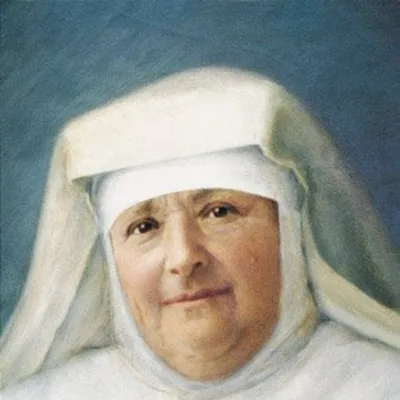
Blessed Mary of the Passion
Foundress of the Franciscan Missionaries of Mary
Blessed Nine Martyrs of England
Martyrs beatified in 1895
Blessed Richard Whiting
Last abbot of Glastonbury, martyr
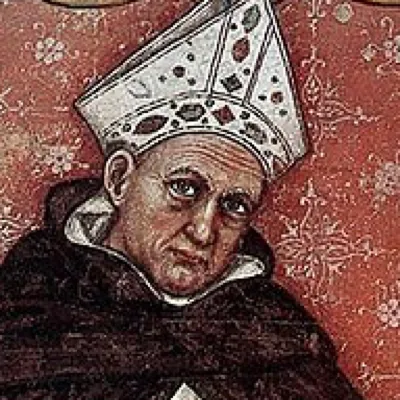
Saint Albert the Great
Dominican, ‘Universal Doctor’
Saint Fintan of Rheinau
Irish monk, recluse of Rheinau
Saint Joseph Mukasa Balikuddembe
First Catholic martyr of Uganda
Saint Joseph Pignatelli
Jesuit, architect of the restoration of the Society
Saint Leopold III of Austria
Margrave of Austria, “Leopold the Pious”
Saint Malo
First Bishop of Aleth
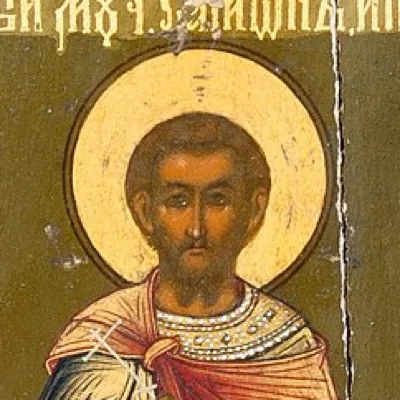
Saints Gurias and Samonas
Martyrs of Edessa
In the same region
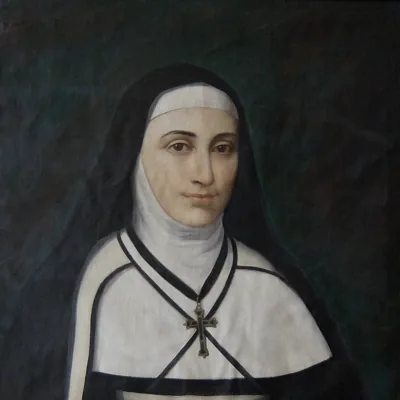
Blessed Adèle de Batz de Trenquelléon
Foundress of the Daughters of Mary Immaculate
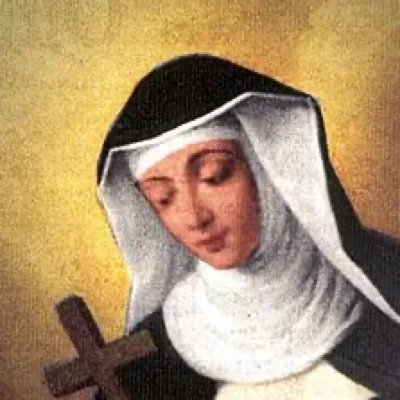
Blessed Agnes of Langeac
Dominican mystic of the Velay
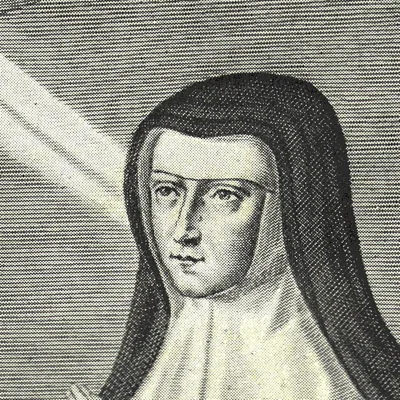
Blessed Alix Le Clerc
Foundress of the Congregation of Notre Dame