
An abbot-bishop from Éile, he founded the monastery of Roscrea, in the north of present-day Tipperary, with which the famous Gospel book of Dimma is associated.
Born in the territory of Éile, son of a certain Odhrán and of a mother from the west of Clare, Crónán spent his youth in Connacht, and then returned around 610 to his native land. He first settled at Sean Ros, near Lough Cré, a place so wild and remote that pilgrims lost their way there, and then moved into the woods of Cré, to Ros Cré, present-day Roscrea, where he founded a monastery and a school.
His Acts abound in miracles. The most famous is connected with the Book of Dimma, an Irish Gospel book now kept at Trinity College Dublin: the scribe Dimma being able to give only one day to his task, Crónán ordered him to write until sunset, and the sun did not set for forty days, until the four Gospels were finished. In the twelfth century O’Carroll, lord of Éile, had the shrine of the manuscript richly gilded.
Crónán died, according to the tradition taken up by the Petits Bollandistes, on 28 April 640. He is venerated as abbot-bishop and patron of Roscrea, an episcopal see later united to that of Killaloe, where the Romanesque façade of St Crónán’s church, a high cross and a round tower survive. Absent from the Roman Martyrology of 2004, he is celebrated on 28 April in the Irish calendars. He must not be confused with his contemporary Saint Crónán Mochua, who died in 637.
Celebrated on the same day
Blessed Hanna Chrzanowska
Nurse, pioneer of home care
Blessed María Felicia of Jesus in the Sacrament
Chiquitunga, first blessed of Paraguay
Blessed Marie-Louise Trichet
First Daughter of Wisdom
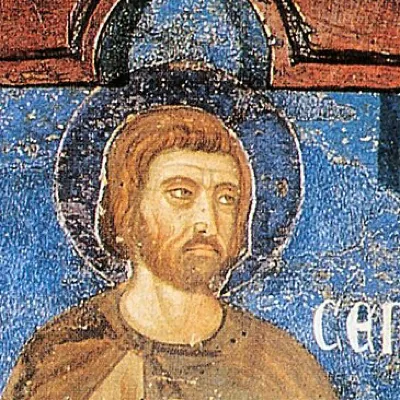
Blessed Luchesius of Poggibonsi
First Franciscan tertiary
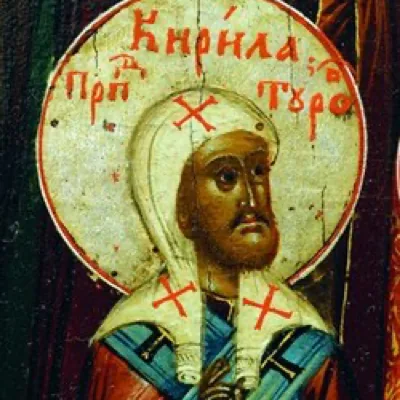
Saint Cyril of Turov
Bishop of Turov, ‘Chrysostom of the Rus’’
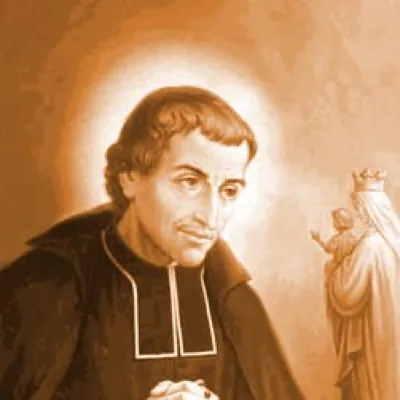
Saint Louis-Marie Grignion de Montfort
Missionary of western France, apostle of Mary
Saint Pamphilus of Sulmona
Bishop of Sulmona and Corfinio
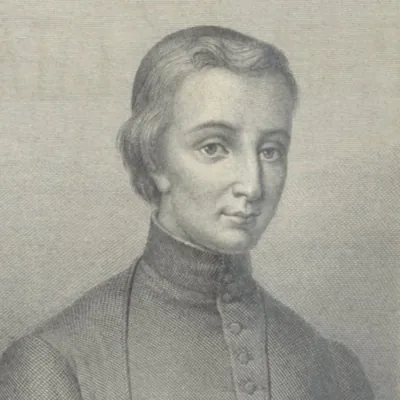
Saint Peter Chanel
Protomartyr of Oceania
Saint Pollio
Lector, martyr of Cibalae
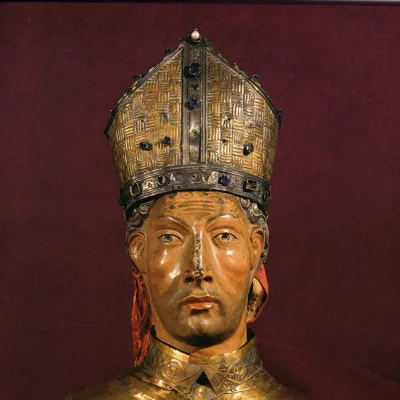
Saint Prudentius
Bishop of Tarazona, patron of Álava
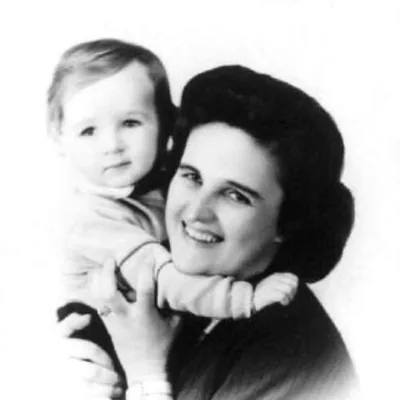
Saint Gianna Beretta Molla
Doctor, wife and mother
Saints Maximus, Dada and Quintilian
Martyrs of Durostorum
In the same region
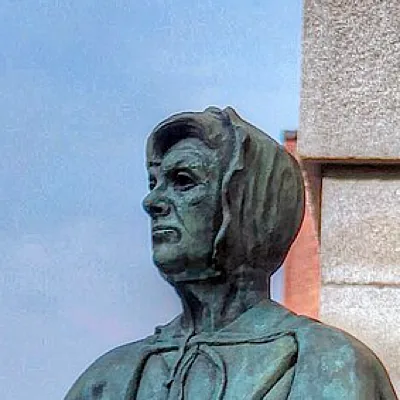
Blessed Margaret Ball
Former Lady Mayoress of Dublin, who died in prison
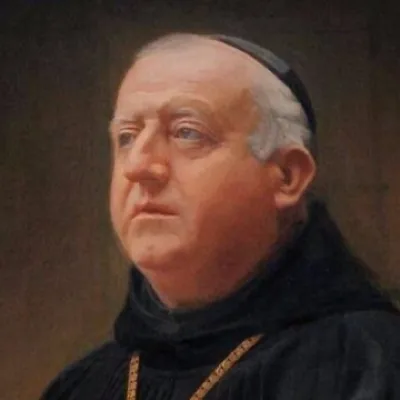
Blessed Columba Marmion
Abbot of Maredsous, spiritual master
Blessed Dermot O’Hurley
Archbishop of Cashel, martyr