
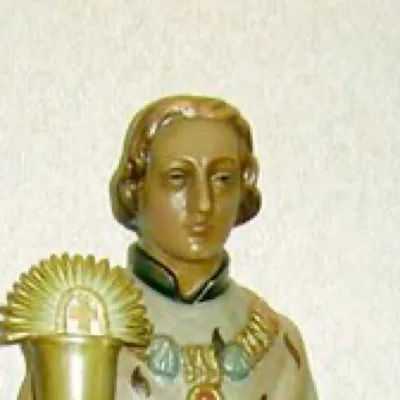
Grandson of Clovis and Clotilde, sole survivor of the murder of his brothers, he renounced the throne, became a priest and ended his days at Nogent, on the Seine, which took the name of Saint-Cloud.
Born around 522, Chlodoald was the youngest son of Chlodomer, king of Orléans, killed in 524 at the battle of Vézeronce against the Burgundians. With his two brothers, he was brought up by his grandmother, Saint Clotilde. Gregory of Tours relates that their uncles Childebert and Clotaire, in order to seize their inheritance, sent to ask Clotilde whether she preferred to see her grandsons shorn or dead, and then cut the throats of the two elder ones; Chlodoald, still a child, was withdrawn from the massacre by faithful servants who hid him.
When he grew up, he cut his own hair, a sign of renouncing every royal right, and consecrated himself to God. According to his Life, written later, he put himself under the hermit Severinus, near Paris, and then lived for some time in retirement in Provence. He distributed his goods to the poor. Around 551 Bishop Eusebius of Paris ordained him priest. He then withdrew to Nogent (Novigentum), on the banks of the Seine, where he built a church and gathered a community of clerics.
He died at Nogent around 560, on a 7 September, aged less than forty, and was buried there in his church. The place took his name, Saint-Cloud, and his tomb attracted pilgrims. The church of Saint-Clodoald kept his relics, largely destroyed at the Revolution; an arm that was spared was returned to the church in 1848. The Roman Martyrology recalls that he preferred the service of the Lord to an earthly kingdom. By a play on his name, he became the patron of nail-makers.
Celebrated on the same day
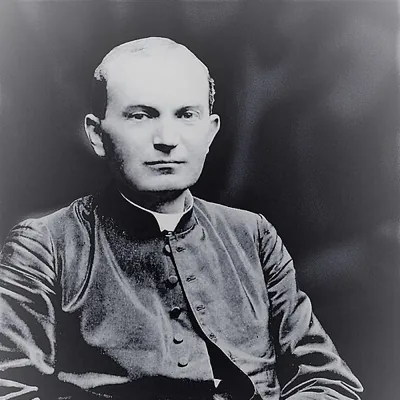
Blessed Ignacy Kłopotowski
Priest of the Catholic press, founder of the Loreto Sisters
Blessed Giovanni Battista Mazzucconi
Missionary and martyr of Woodlark
Bienheureux Raoul Corby
Jésuite, missionnaire du comté de Durham, martyr
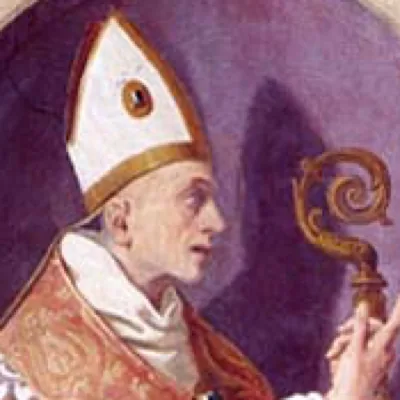
Saint Stephen of Die
Carthusian, Bishop of Die
Saint Stephen Pongrácz
Hungarian Jesuit, martyr of Košice
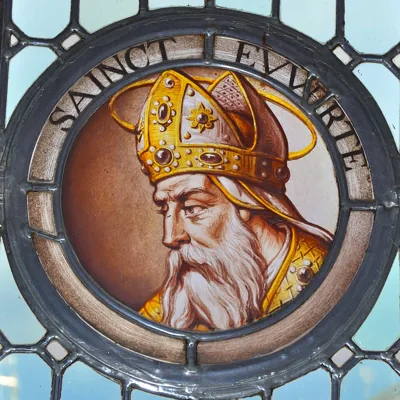
Saint Evurtius of Orléans
Bishop of Orléans
Saint Grat of Aosta
Bishop of Aosta, protector of the harvests
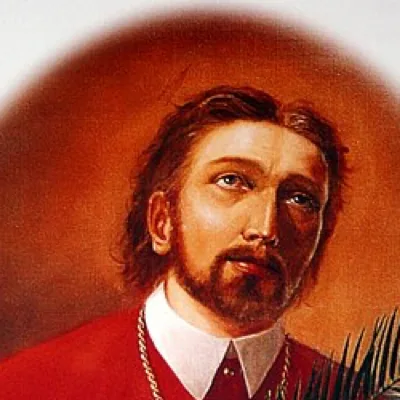
Saint Mark of Križevci
Canon of Esztergom, martyr of Košice
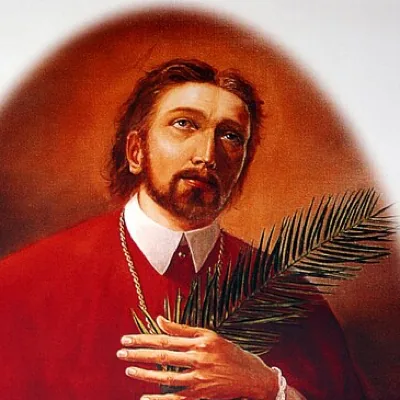
Saint Mark Križin
Canon of Esztergom, martyr of Košice
Saint Melchior Grodziecki
Jésuite silésien, martyr de Košice
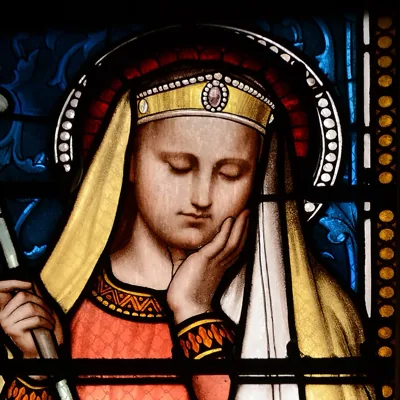
Sainte Reine d'Alise
Vierge et martyre d'Alésia
Holy Martyrs of Košice
Three priest martyrs in 1619
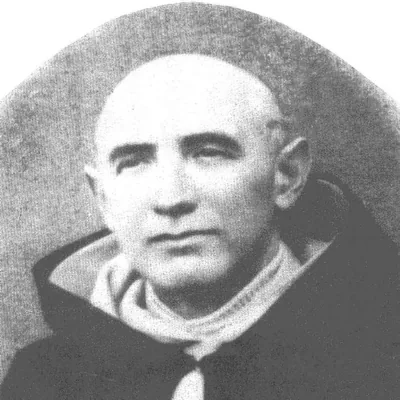
Serviteur de Dieu Salvador Montes de Oca
Évêque de Valencia, chartreux fusillé en Toscane
In the same region
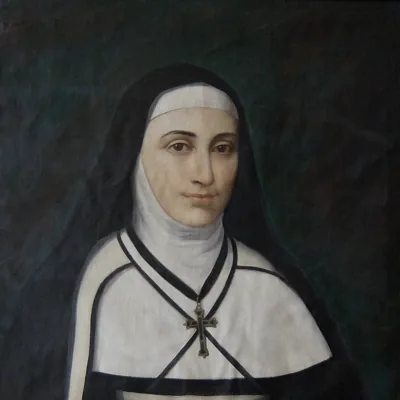
Blessed Adèle de Batz de Trenquelléon
Foundress of the Daughters of Mary Immaculate
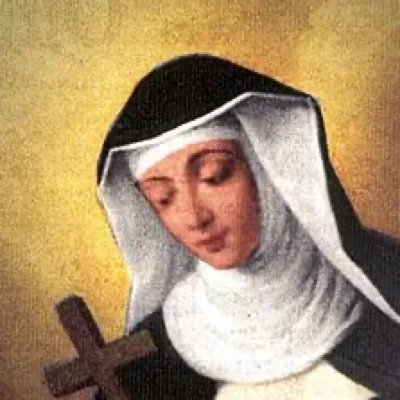
Blessed Agnes of Langeac
Dominican mystic of the Velay
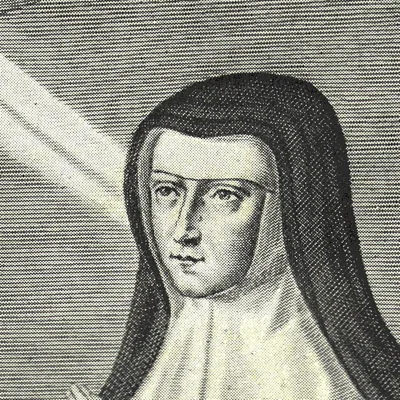
Blessed Alix Le Clerc
Foundress of the Congregation of Notre Dame