
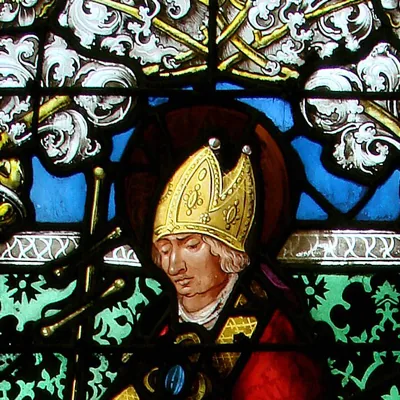
Abbot of the Jura monastery of Condat, which later took his name, and bishop according to tradition, he became, after the discovery of his incorrupt body, one of the great pilgrimage saints of France.
History offers little certainty about Saint Claude, whose Lives are late. According to tradition, he was born around 607 at Salins into a Gallo-Roman family, served first in the army, then became a cleric of the Church of Besançon before entering the monastery of Condat, or Saint-Oyend-de-Joux, founded in the Jura in the fifth century. Elected abbot around 650, he governed the community for nearly half a century, provided for its growing needs and made it a place of influence.
Tradition also counts him among the bishops of Besançon: he is said to have held that see for seven years, always leading the austere life of a monk, before resigning it to return to Condat. Late sources also attribute to him the introduction of the rule of Saint Benedict and an income obtained from King Clovis II for the monastery; some historians think rather that he was a bishop attached to the monastery. He died around 699; the Roman Martyrology commemorates him cautiously as one ‘who was, it is believed, bishop and abbot of the monastery of Condat’, and places his death around 703.
In the twelfth century his tomb was opened and his body found intact: pilgrims flocked, miracles multiplied and both the monastery and the town took his name. King Louis XI and Saint Francis de Sales came to pray there. In 1794 the revolutionaries burned his relics, of which only a forearm escaped; it is kept in the cathedral of Saint-Claude. He is patron of the Diocese of Saint-Claude and of the wood-turners of the Haut-Jura.
Celebrated on the same day
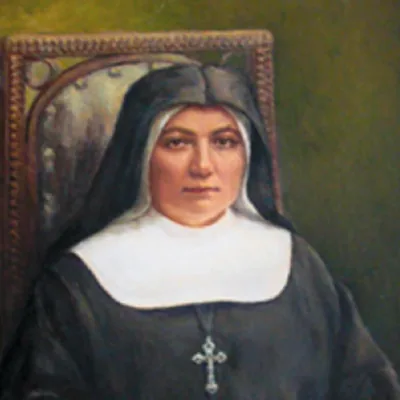
Blessed Maria Karłowska
Foundress of the Shepherdess Sisters of Divine Providence
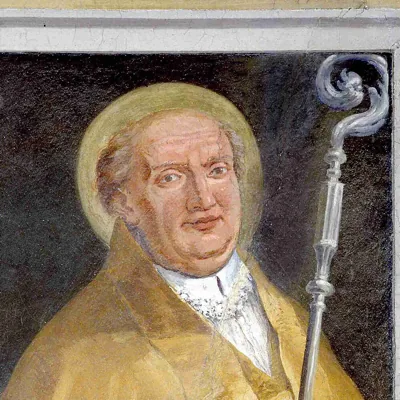
Blessed Bertrand of Aquileia
Patriarch of Aquileia, martyr
Blessed Lawrence of Villamagna
Franciscan, preacher of the Abruzzi
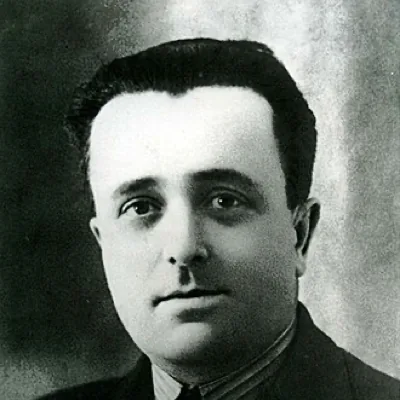
Blessed Odoardo Focherini
Father of a family, rescuer of Jews, martyr
Saint Bessarion
Anchorite of Scetis, pilgrim and beggar
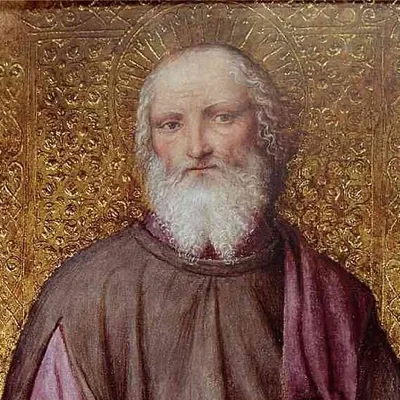
Saint Gerard of Monza
Layman, founder of the hospital of Monza
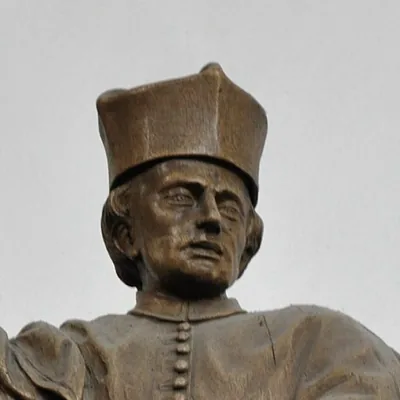
Saint Gilbert of Neuffontaines
Crusader turned Premonstratensian abbot
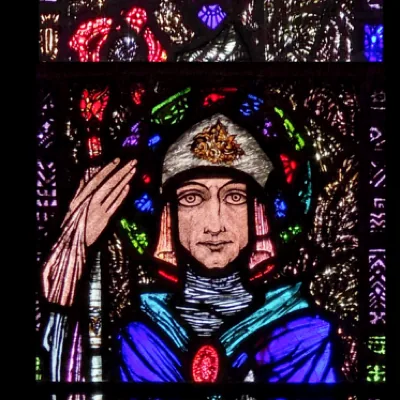
Saint Jarlath of Tuam
Founder of Tuam
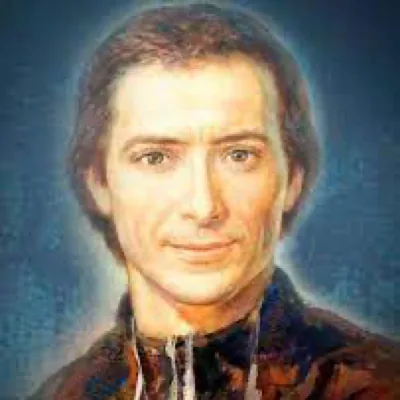
Saint Marcellin Champagnat
Founder of the Marist Brothers
In the same region
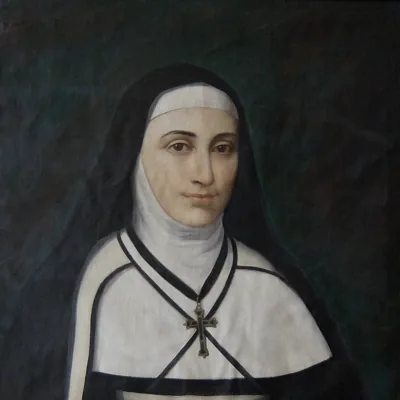
Blessed Adèle de Batz de Trenquelléon
Foundress of the Daughters of Mary Immaculate
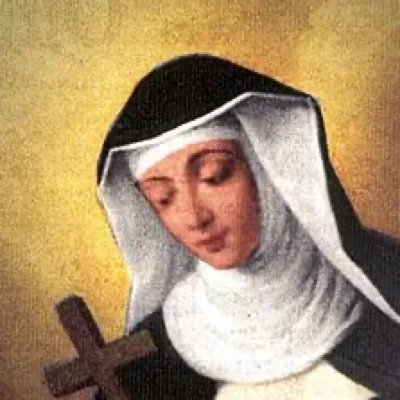
Blessed Agnes of Langeac
Dominican mystic of the Velay
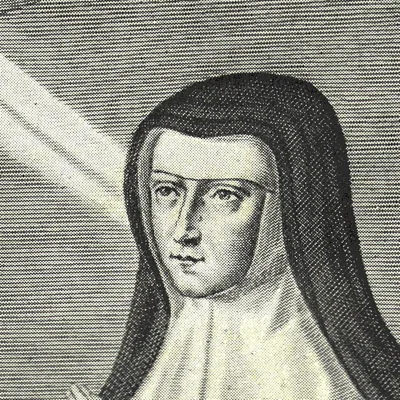
Blessed Alix Le Clerc
Foundress of the Congregation of Notre Dame