
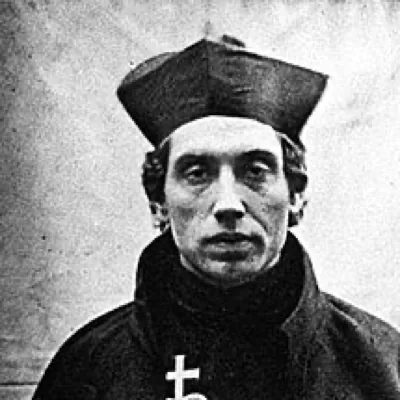
A Dutch Passionist who came to Dublin, a poor preacher but a tireless confessor and comforter, he was venerated in his lifetime as a miracle-worker.
Jan Andreas Houben was born on 11 December 1821 at Munstergeleen, in Dutch Limburg, one of the eleven children of a miller. A slow and shy pupil, he did his military service before entering in 1845 the novitiate of the Passionists, recently arrived at Ere, near Tournai, in Belgium, under the name Charles of Saint Andrew. Ordained a priest in 1850, he was sent to England, where he met the Irish immigrants driven out by the Great Famine.
In 1857 he was assigned to the monastery of Mount Argus, at Harold’s Cross, in the suburbs of Dublin. He never mastered English and preached badly, but he spent hours in the confessional and at the bedside of the sick. The healings attributed to him drew such crowds that doctors complained to the archbishop and his blessed water was sold throughout Ireland; his superiors sent him away to England from 1866 to 1874.
Returned to Dublin, he died there on 5 January 1893; people from all over Ireland thronged his funeral, and James Joyce mentions him in Ulysses. John Paul II beatified him in 1988. The miracle accepted for his canonisation, pronounced by Benedict XVI on 3 June 2007, was the healing of a resident of his native village; Munstergeleen and Mount Argus remain the two centres of his cult.
Celebrated on the same day
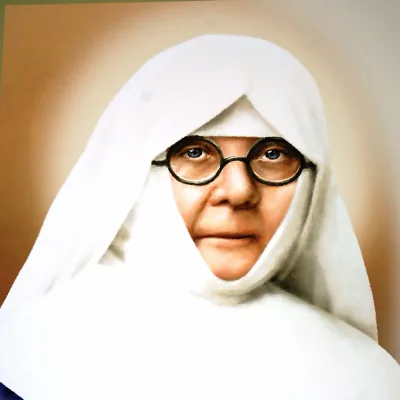
Blessed Marcelina Darowska
Foundress of the Sisters of the Immaculate Conception of Jazłowiec
Saint Conwoion
Founder of the abbey of Redon
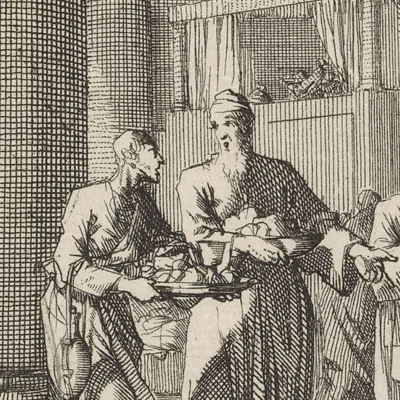
Saint Deogratias
Bishop of Carthage, redeemer of the captives of Rome
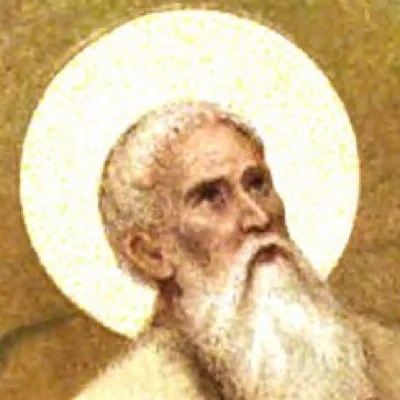
Saint Gerlach
Penitent knight, hermit of Houthem
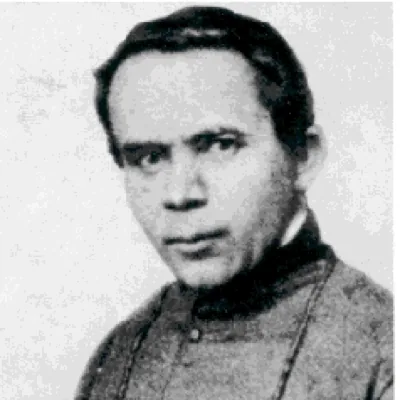
Saint John Neumann
Bishop of Philadelphia
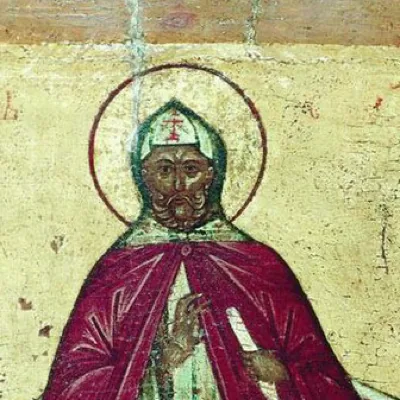
Saint Simeon Stylites
Hermit, first of the stylites
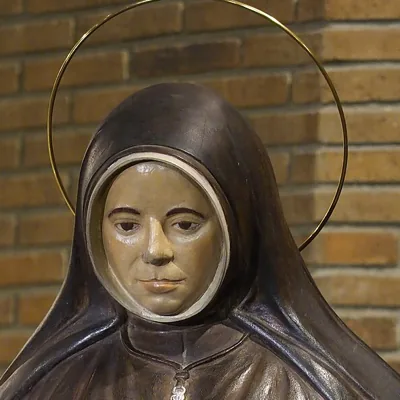
Saint Genoveva Torres Morales
Foundress of the Angelic Sisters, ‘the angel of solitude’
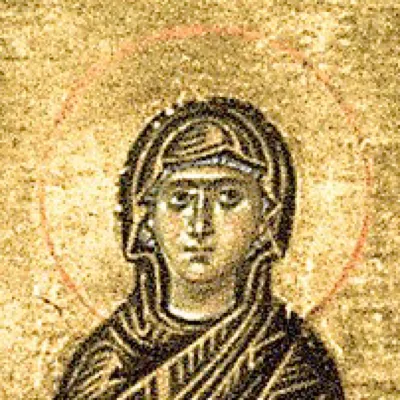
Saint Syncletica
Mother of the desert of Alexandria
In the same region
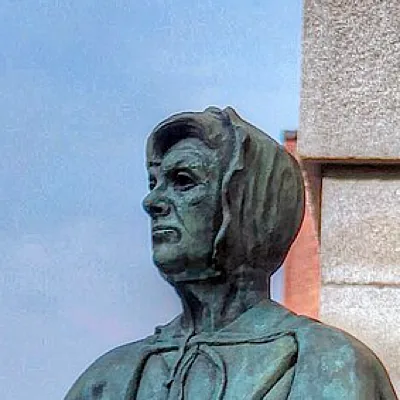
Blessed Margaret Ball
Former Lady Mayoress of Dublin, who died in prison
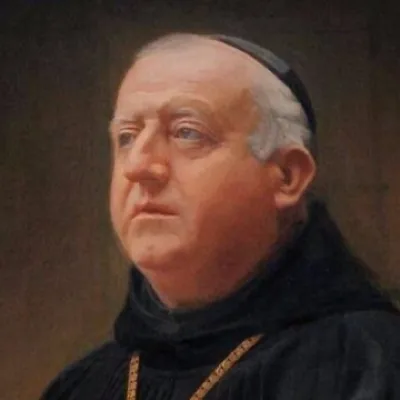
Blessed Columba Marmion
Abbot of Maredsous, spiritual master
Blessed Dermot O’Hurley
Archbishop of Cashel, martyr