
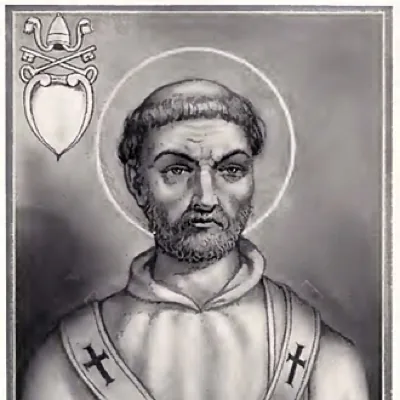
A former slave who became Bishop of Rome, Callixtus organised under Zephyrinus the cemetery of the Church on the Appian Way, which still bears his name, and defended the reconciliation of repentant sinners against the rigorism of Hippolytus.
His youth is known only through an adversary, the priest Hippolytus (Refutation of All Heresies, IX, 12). The slave of a Christian of the imperial household, Carpophorus, Callixtus is said to have managed a bank for him that went bankrupt, tried to flee, then been condemned to the mines of Sardinia after a tumult in a synagogue. Freed with other confessors thanks to the intervention of Marcia with Emperor Commodus, he was recalled by Pope Zephyrinus, who made him his deacon and entrusted to him the cemetery of the Appian Way. This cemetery, the first that the Church of Rome possessed, became the catacomb of Callixtus, where most of the popes of the third century rest.
Elected Bishop of Rome around 217, he admitted to penance and communion sinners guilty of grave faults and recognised unions between women of senatorial rank and slaves or freedmen, which Hippolytus violently reproached him for before separating from him. Callixtus also condemned the heresy of Sabellius, which confused the Father and the Son.
He died around 222. The Depositio martyrum of 354 commemorates him on 14 October at the third milestone of the Via Aurelia: he was buried not in his catacomb but in the cemetery of Calepodius, where his tomb was identified in the 1960s. According to his later Passion, he was thrown into a well in Trastevere during a riot; the church of San Callisto keeps its memory and his relics are venerated at Santa Maria in Trastevere. The Roman Martyrology of 2004 calls him a martyr; his memorial is entered in the General Roman Calendar.
Celebrated on the same day
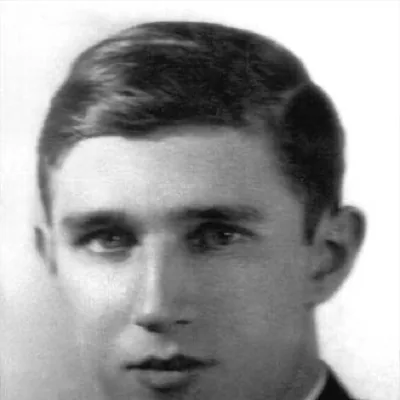
Blessed Roman Lysko
Young priest martyr of the prison of Lviv

Saint Dominic Loricatus
Camaldolese hermit, penitent
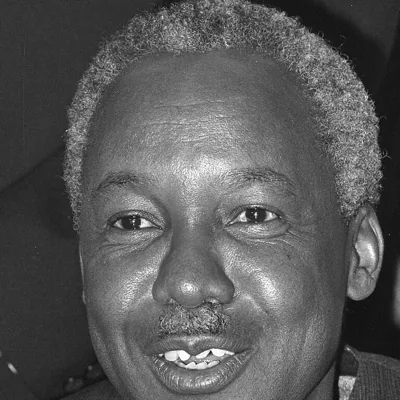
Servant of God Julius Nyerere
First president of Tanzania, “Mwalimu”
In the same region
Blessed Angelina of Marsciano
Foundress of the Franciscan Sisters of the Third Order Regular
Blessed Anna Rosa Gattorno
Widow, foundress of the Daughters of St Anne
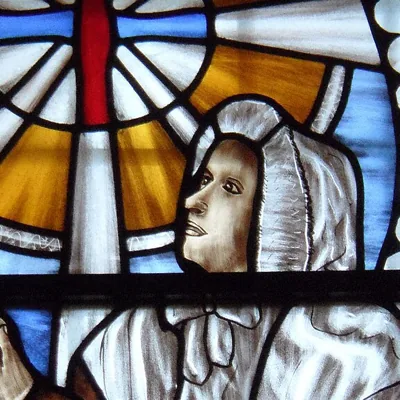
Blessed Anna Maria Taigi
Mother of a family and Roman mystic