
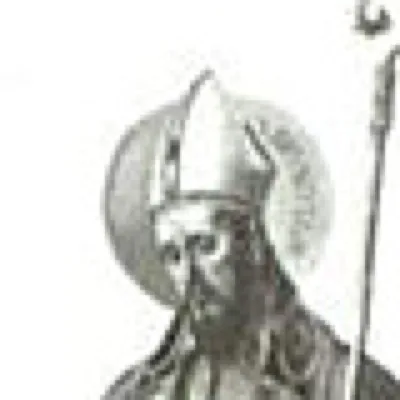
Bruno Signinus
Saint Bruno of Segni
Bishop of Segni, abbot of Monte Cassino
A Piedmontese theologian chosen by Gregory VII to defend the Eucharistic faith against Berengar of Tours, he was Bishop of Segni and then abbot of Monte Cassino, and one of the best exegetes of the Gregorian reform.
Bruno was born around 1045 near Asti, in Piedmont, and was trained at the monastery of San Perpetuo before studying at Bologna. A canon at Siena and then at Asti, he made his way to Rome, where he made his mark by his learning: at the Lateran Council of 1079 Gregory VII charged him with refuting the doctrine of Berengar of Tours on the Eucharist, then appointed him the same year Bishop of Segni, in Latium.
Loyal to the pope in the Investiture Controversy, he was for a time imprisoned by the Count of Segni, a partisan of Henry IV. In 1099 he withdrew to Monte Cassino, but Paschal II sent him as legate to France; elected abbot of Monte Cassino in 1107, he held this office together with the episcopate. In 1111 he sharply criticised the concessions wrung from the pope by Emperor Henry V, which forced him to leave the abbey and return to Segni.
He died there on 18 July 1123. His commentaries on Scripture and his treatise against simony (Libellus de symoniacis) are among the notable works of his time. Venerated at once by the people of Segni, he was entered in the catalogue of the saints by Lucius III in 1183; his relics rest in the cathedral of Segni, of which he is the patron.
Celebrated on the same day
Blessed Eliswa Vakayil
Widow, foundress of the first Indian Carmelites
Blessed Tarsykia Matskiv
Sister Servant of Mary Immaculate, martyr
Blessed Tiburcio Arnáiz
Jesuit, missionary to the poor of Málaga
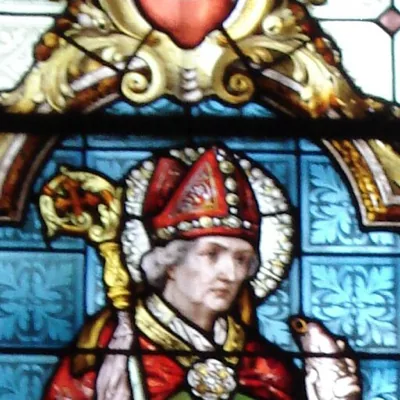
Saint Arnulf of Metz
Bishop of Metz, ancestor of the Carolingians
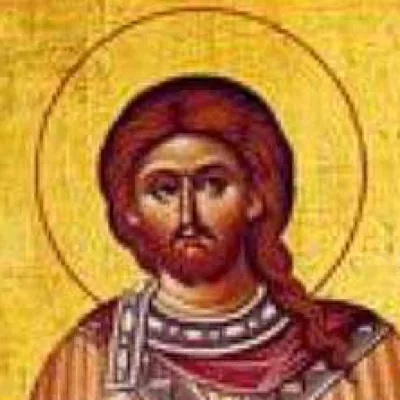
Saint Emilian of Durostorum
Martyr burned under Julian the Apostate

Saint Frederick of Utrecht
Bishop of Utrecht, martyr
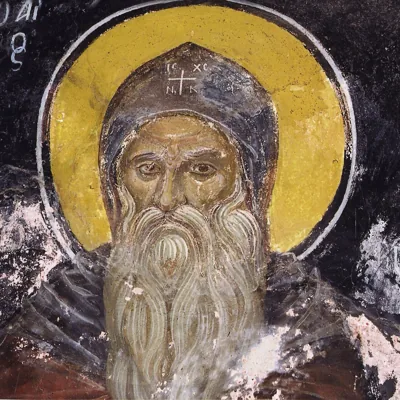
Saint Pambo
Abbot of Nitria
Saint Philastrius of Brescia
Bishop of Brescia, opponent of heresies
Saint Simon of Lipnica
Bernardine preacher, servant of plague victims
Saint Symphorosa and Her Seven Sons
Martyrs of Tibur
In the same region

Blessed Angelina of Marsciano
Foundress of the Franciscan Sisters of the Third Order Regular
Blessed Anna Rosa Gattorno
Widow, foundress of the Daughters of St Anne
Blessed Anna Maria Taigi
Mother of a family and Roman mystic