
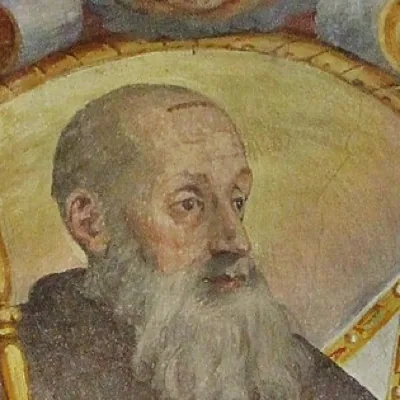
Abbot general of the Vallombrosans and then bishop of Pistoia, he brought from Compostela a relic of St James, which made Pistoia a pilgrimage stage and gave rise to the city’s cult of St James.
Almost nothing is known of Atto’s youth, born between 1070 and 1080; a late tradition has him come from Beja, in Portugal, while other authors call him a Tuscan. At the beginning of the twelfth century he was a monk at Vallombrosa, of which he became abbot general around 1120; he defended the privileges of the congregation and founded new houses.
A man of letters, he wrote Lives of St John Gualbert and of Blessed Bernard degli Uberti. Elected bishop of Pistoia around 1133, he reformed the clergy there and defended the rights of his Church. In 1145 he obtained from the archbishop of Compostela a relic of St James, solemnly received at Pistoia: the chapel of St James in the cathedral, with its famous silver altar, grew out of it.
He died on 22 May 1153 and was buried in the cathedral of Pistoia, where his body is venerated. Clement VIII confirmed his cult as a saint in 1605. He is the patron of the city with St James.
Celebrated on the same day
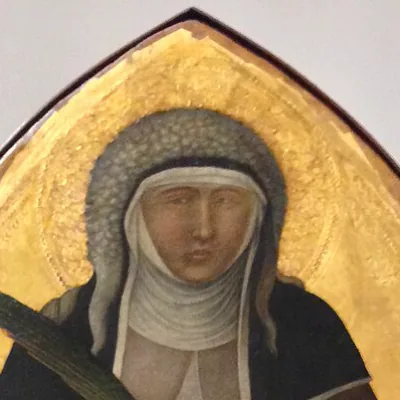
Blessed Humility of Faenza
Recluse and foundress of the Vallombrosan nuns
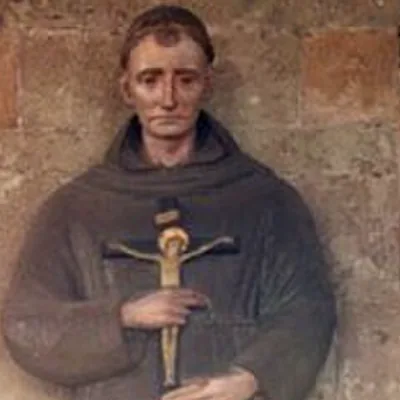
Blessed John Forest
Franciscan, confessor of Catherine of Aragon, martyr
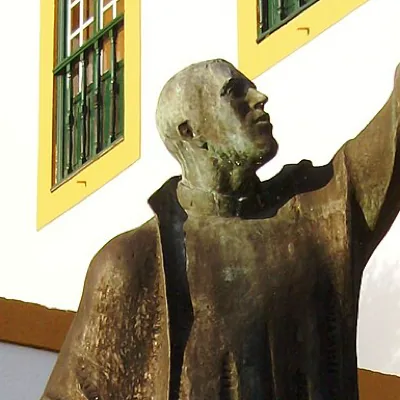
Blessed John Baptist Machado
Jesuit of the Azores, martyr in Japan
Blessed Peter of the Assumption
Franciscan, first missionary put to death under the Tokugawa
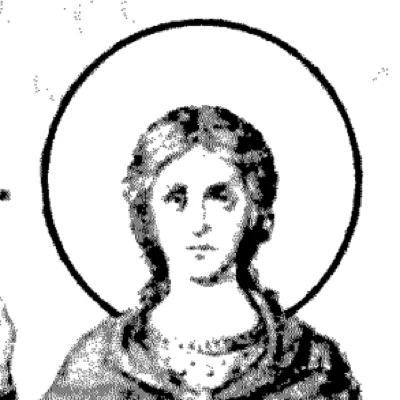
Saint Basiliscus of Comana
Bishop and martyr
Saint Bovo of Voghera
Provençal knight and pilgrim, patron of Voghera
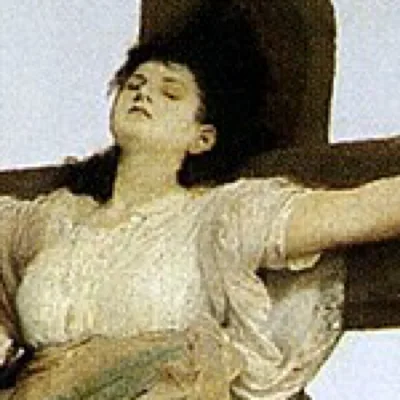
Saint Julia of Corsica
Virgin and martyr, patroness of Corsica
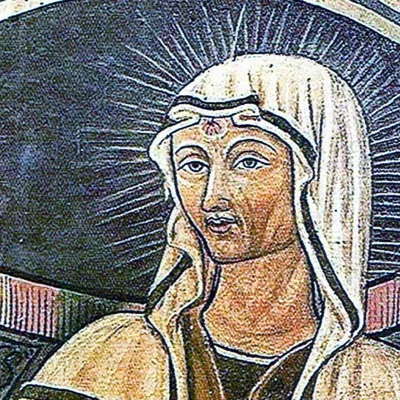
Saint Rita of Cascia
Wife, widow and Augustinian nun, saint of impossible causes
Saints Castus and Aemilius
Martyrs who rose again after a fall
In the same region
Blessed Angelina of Marsciano
Foundress of the Franciscan Sisters of the Third Order Regular
Blessed Anna Rosa Gattorno
Widow, foundress of the Daughters of St Anne
Blessed Anna Maria Taigi
Mother of a family and Roman mystic