
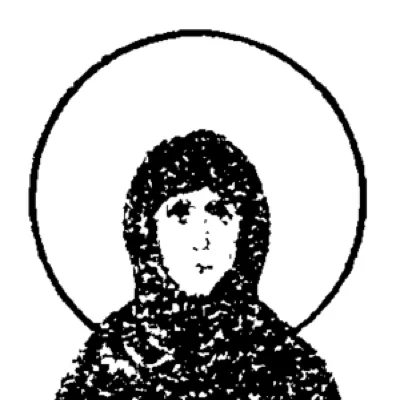
A noblewoman of Aegina twice married against her will, who made her house a monastery for women and became its hegumen, in the time of the Arab raids on the Aegean islands.
Born at Aegina around 790 of noble parents, Nikitas and Irene, Athanasia desired the consecrated life very early. Married at sixteen to an officer killed in battle against Arab raiders a few days after the wedding, she was forced into a second marriage; her husband eventually embraced the monastic life himself. She then distributed her goods, welcomed the poor and gathered in her house a community of women, of which she became hegumen.
Her Life, written shortly after her death by a witness of her posthumous miracles, relates that she transferred her community to a more secluded place, at Timia, then spent seven years in Constantinople before returning to die among her sisters around 860. The Roman Martyrology commemorates her on 18 April as a ‘widow, then hermit and hegumen, renowned for her observance of monastic discipline and her virtues’.
Celebrated on the same day
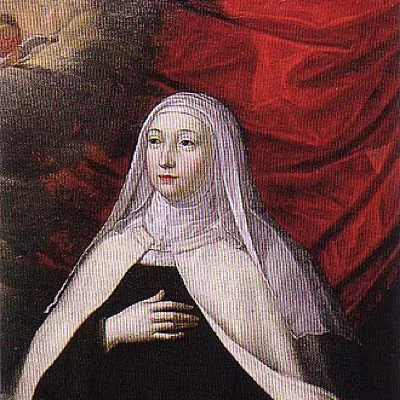
Blessed Marie of the Incarnation (Barbe Acarie)
‘La belle Acarie’, mother of the Carmel of France
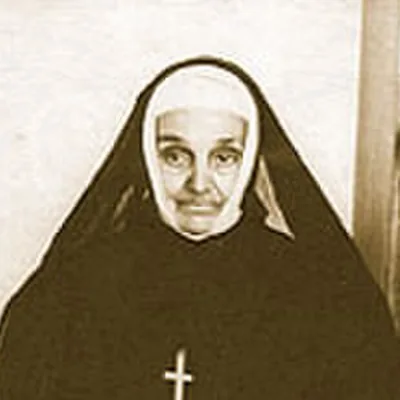
Blessed Marie-Anne Blondin
Foundress of the Sisters of Saint Anne
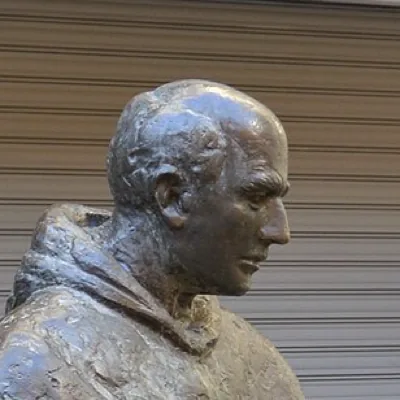
Blessed Andrés Hibernón
Discalced Franciscan brother
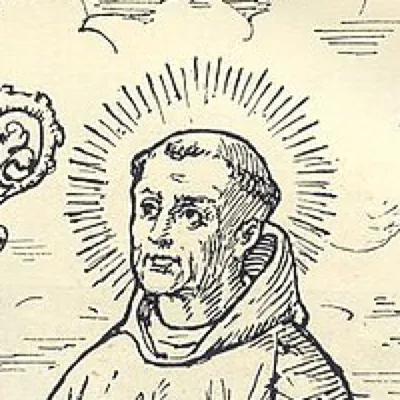
Blessed Idesbald
Cistercian abbot of Ten Duinen
Saint Galdinus
Cardinal, archbishop of Milan
Saint John the Isaurian
Monk, defender of the holy images
Saint Laserian of Leighlin
Abbot and bishop of Leighlin
Saint Perfectus of Córdoba
Priest, first of the martyrs of Córdoba
Saint Pusai
Chief of the king's craftsmen, martyr
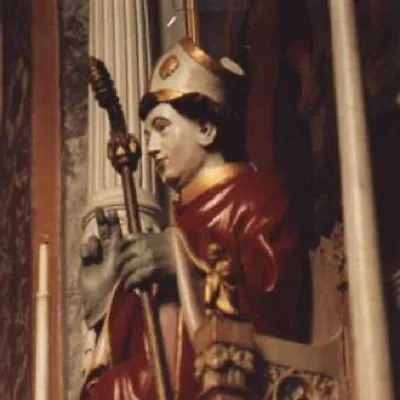
Saint Ursmar
Abbot-bishop of Lobbes, apostle of the Thiérache
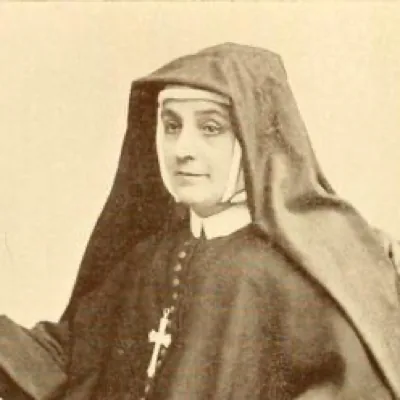
Venerable Cornelia Connelly
Foundress of the Society of the Holy Child Jesus
In the same region
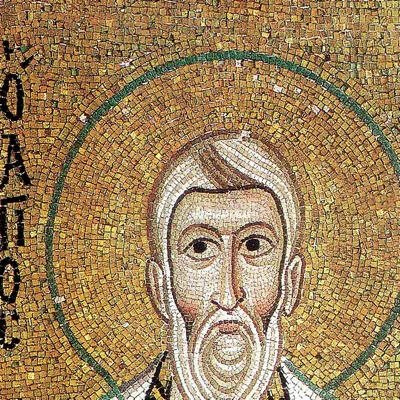
Saint Achillius of Larissa
Bishop of Larissa, Father of the Council of Nicaea
Saint Alexander of Pydna
Martyr
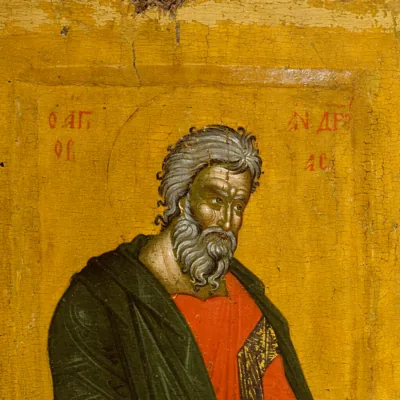
Saint Andrew
Apostle, the first called