
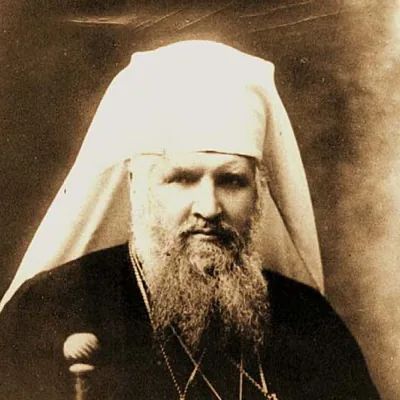
Greek-Catholic Metropolitan of Lviv for forty-three years, he raised up his Church, defended unity with Rome under three occupations and hid Jews during the Shoah; Francis declared him venerable in 2015.
Roman Szeptycki was born in 1865 at Prylbychi, in Galicia, into a Polonised aristocratic family of old Ruthenian stock; he was the brother of Blessed Klymentiy. A doctor of law, he entered the Basilians in 1888 under the name of Andrew, was ordained priest in 1892, became Bishop of Stanislaviv in 1899, then in 1901 Metropolitan of Halych, a see which he occupied at Lviv until his death.
He renewed the Greek-Catholic Church profoundly: formation of the clergy, restoration of the liturgy and of Eastern monasticism with the Studites, foundation of the Theological Academy and the National Museum of Lviv, care of the Ukrainian emigrants in America. Deported to Russia by the tsarist army from 1914 to 1917, he secretly organised there the Russian Catholic Church of Byzantine rite and appointed Leonid Fedorov its exarch.
Under the Soviet and then German occupations, he protested against the extermination of the Jews, published in 1942 the pastoral letter ‘Thou shalt not kill’ and had Jews hidden, with his brother Klymentiy, in the monasteries and residences of his Church. He died at Lviv on 1 November 1944, shortly before the liquidation of his Church by the Soviet authorities, and rests in the crypt of Saint George’s Cathedral. Francis recognised the heroicity of his virtues on 16 July 2015.
Celebrated on the same day
Bienheureux Pierre-Paul Navarro
Jésuite calabrais, apôtre de Yamaguchi et du Bungo, martyr de Shimabara
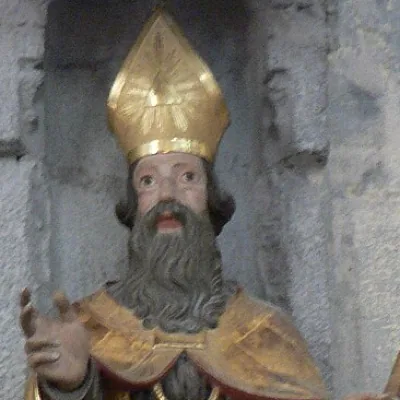
Saint Austremonius
Apostle of the Auvergne
Saint Benignus of Dijon
Apostle of Burgundy, martyr
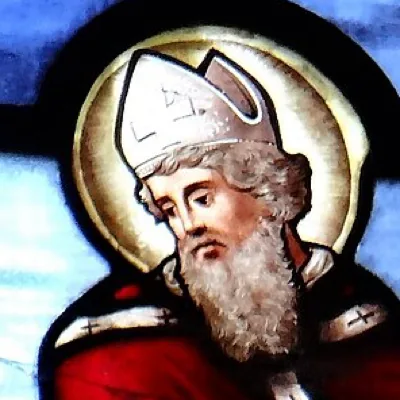
Saint Marcellus of Paris
Bishop of Paris
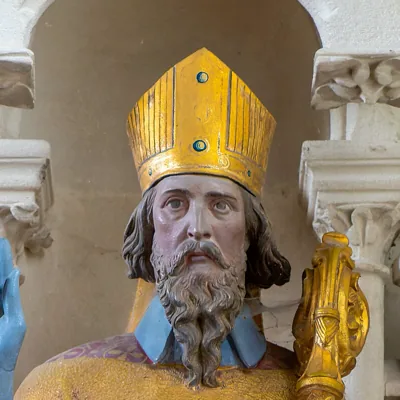
Saint Omer
Évêque de Thérouanne
In the same region
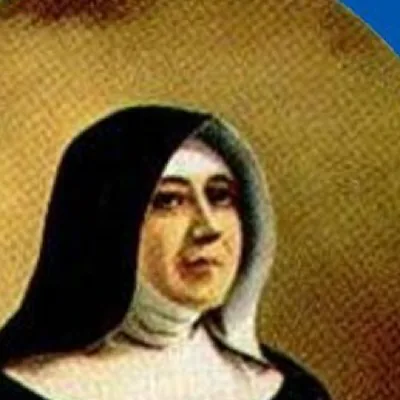
Blessed Columba Gabriel
Abbess of the Benedictine nuns of Lviv, foundress in Rome
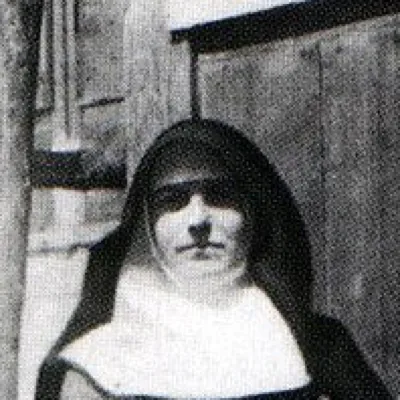
Blessed Josaphata Hordashevska
First Sister Servant of Mary Immaculate
Blessed Lavrentia Harasymiv
Sister of Saint Joseph, martyr in Siberia