
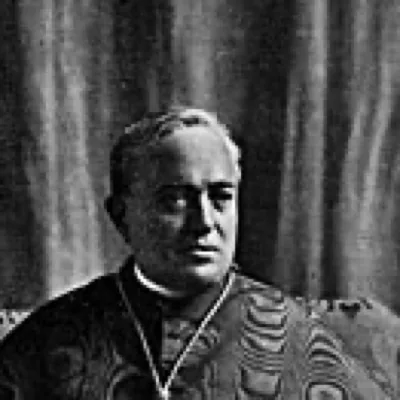
The son of a cobbler of the Parma Apennines, Bishop of Guastalla and of Como and then Archbishop of Milan for twenty-seven years, he made every parish a centre of catechesis and supported the social commitment of the laity.
Andrea Ferrari was born on 13 August 1850 at Lalatta, in the Parma Apennines, the son of a cobbler. Ordained priest at Parma in 1873, he became professor and then rector of the seminary and published a widely used manual of dogmatic theology. Bishop of Guastalla in 1890, then of Como in 1891, he was appointed in 1894 by Leo XIII Archbishop of Milan and cardinal; he then took the name of Carlo, in homage to Saint Charles Borromeo.
He visited several times the some eight hundred parishes of his diocese, wanted a boys’ oratory and a girls’ oratory in each, held synods and eucharistic congresses and supported the social initiatives inspired by Rerum novarum. His openness to the laity earned him accusations of modernism and several years of disgrace under Pius X, before his rehabilitation under Benedict XV. He encouraged Giuseppe Toniolo, Agostino Gemelli and Armida Barelli in the project of the Catholic University.
Stricken with cancer of the throat, he died at Milan on 2 February 1921. John Paul II beatified him on 10 May 1987.
Celebrated on the same day
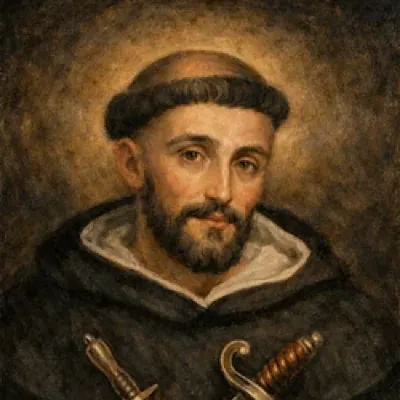
Blessed Peter of Ruffia
Dominican, inquisitor, martyr at Susa
Blessed Simon Fidati of Cascia
Augustinian preacher and writer
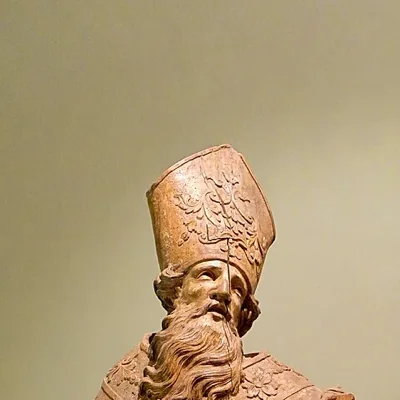
Saint Burchard of Würzburg
First Bishop of Würzburg
Saint Laurence of Canterbury
Second archbishop of Canterbury
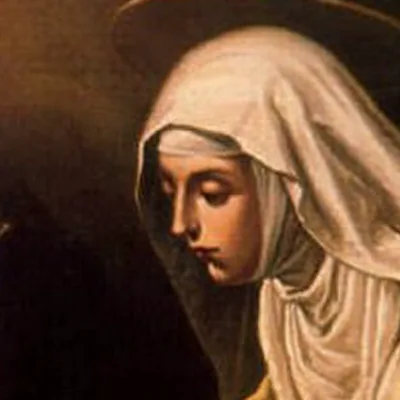
Saint Catherine de’ Ricci
Dominican of Prato, ecstatic of the Passion
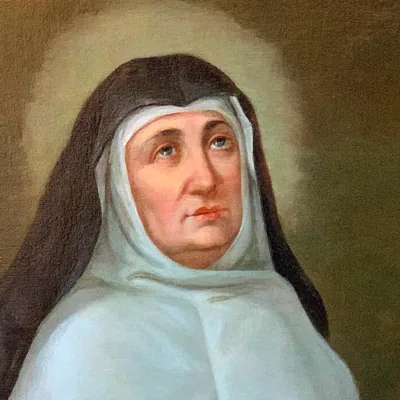
Saint Joan de Lestonnac
Foundress of the Company of Mary Our Lady
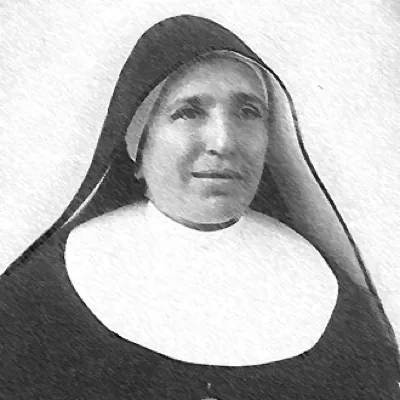
Saint Maria Domenica Mantovani
Co-foundress of the Little Sisters of the Holy Family
In the same region
Blessed Angelina of Marsciano
Foundress of the Franciscan Sisters of the Third Order Regular
Blessed Anna Rosa Gattorno
Widow, foundress of the Daughters of St Anne
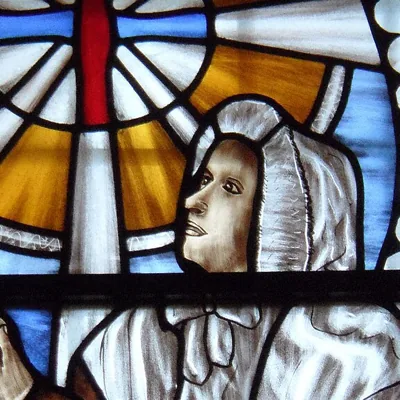
Blessed Anna Maria Taigi
Mother of a family and Roman mystic