
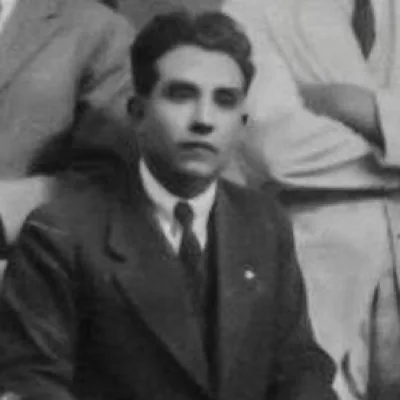
A lawyer, journalist and organiser of the peaceful Catholic resistance of Jalisco, tortured and then killed with a bayonet at Guadalajara in 1927, after forgiving his executioners.
José Anacleto González Flores was born on 13 July 1888 at Tepatitlán, in the Altos de Jalisco, the second of the twelve children of a weaver of rebozos. A retreat preached in 1905 transformed his life; he studied at the auxiliary seminary of San Juan de los Lagos, where his fellow students nicknamed him ‘el Maestro’, but he knew himself called to serve the Church as a layman. At Guadalajara he studied law, taught catechism, founded study circles and co-founded in 1916 the local section of the Association of Mexican Catholic Youth (ACJM). A qualified lawyer in 1922, he defended the poor free of charge and the same year married María Concepción Guerrero, with whom he had two children.
A Franciscan tertiary, he led the peaceful resistance of the Catholics of Jalisco against the anti-religious laws: economic boycott in 1918–1919, then, in 1925, the Popular Union, which organised tens of thousands of the faithful and published the weekly Gladium. After the suspension of public worship, he rallied at the end of 1926 to the National League for the Defence of Religious Liberty, which chose armed uprising, and directed civil resistance from hiding.
On 1 April 1927 the police captured him at the home of the Vargas González family. Taken to the Colorado barracks, he was hung by the thumbs, flogged, had the soles of his feet slashed and his shoulder dislocated, without revealing the refuge of Archbishop Orozco y Jiménez. After seeing his companions shot, he said to his executioners: ‘The judge who judges me will judge you too’; on the order of General Ferreira, a soldier ran him through with a bayonet. His remains rest at the shrine of Guadalupe in Guadalajara. He was beatified in 2005.
Celebrated on the same day
Blessed Anacleto González Flores and Companions
Lay martyrs of Guadalajara
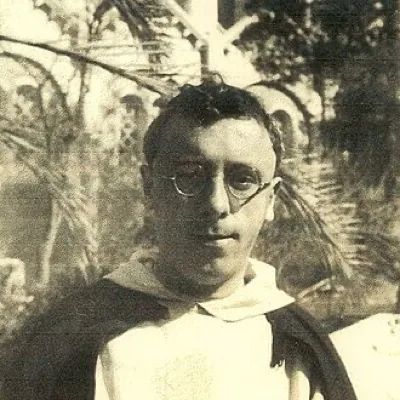
Blessed Giuseppe Girotti
Dominican biblical scholar, martyr at Dachau
Blessed Jorge Vargas González
Employee of the hydroelectric company, martyr
Blessed Luis Padilla Gómez
Secretary of the Popular Union
Blessed Ramón Vargas González
Medical student, martyr at twenty-two
Saint Celsus of Armagh
Archbishop of Armagh, reformer
Saint Hugh of Bonnevaux
Cistercian abbot, peacemaker
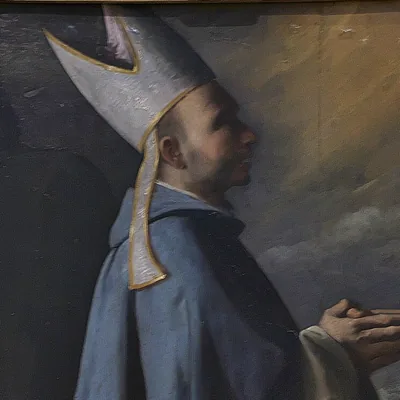
Saint Hugh of Grenoble
Reforming bishop, protector of the Carthusians
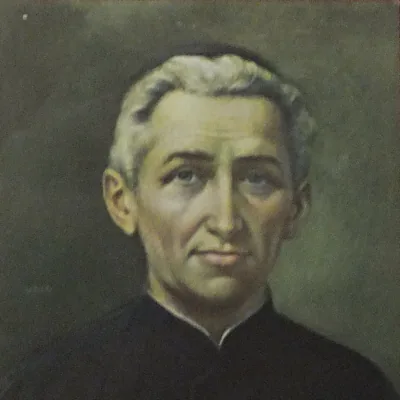
Saint Ludovico Pavoni
Priest of Brescia, educator of young apprentices
Saint Venantius of Salona and Companions
Martyrs of Dalmatia and Istria, venerated at the Lateran
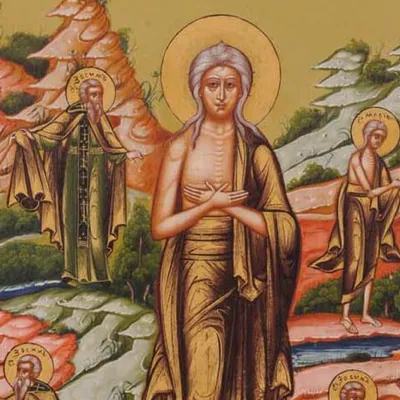
Saint Mary of Egypt
Penitent of the desert beyond the Jordan
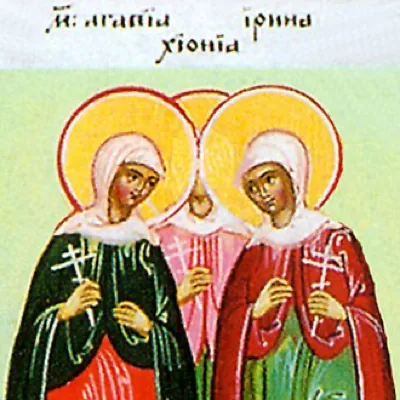
Saints Agape, Chionia and Irene
Sisters, virgins and martyrs of Thessalonica
In the same region
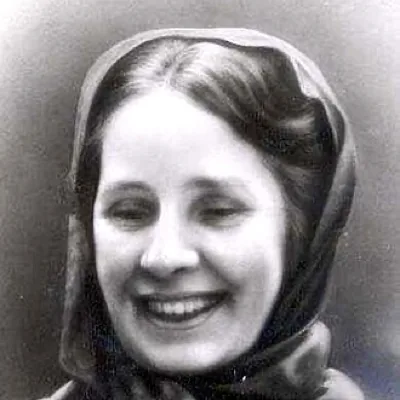
Blessed Concepción Cabrera de Armida
Conchita, mother of a family and mystic
Blessed Dina Bélanger
Pianist and mystic of Jesus and Mary
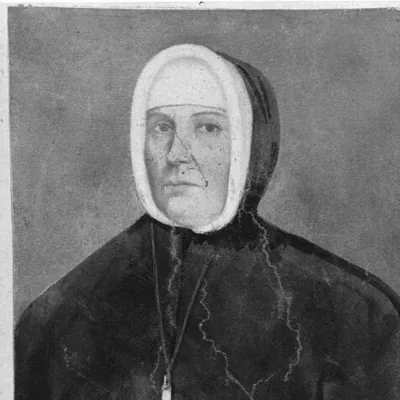
Blessed Émilie Tavernier-Gamelin
Foundress of the Sisters of Providence