
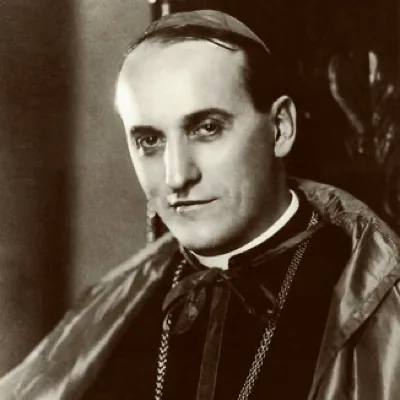
Archbishop of Zagreb during the Second World War, condemned by the Communist regime in 1946 for refusing to separate the Croatian Church from Rome, he died under house arrest; beatified by John Paul II in 1998.
Born in 1898 at Brezarić, near Krašić, into a large peasant family, Aloysius Stepinac was mobilised in the Austro-Hungarian army during the First World War and taken prisoner on the Italian front. He then studied agronomy at Zagreb before entering the Collegium Germanicum in Rome; ordained priest in 1930, he was appointed coadjutor of Zagreb as early as 1934, at thirty-six, and became archbishop in 1937.
Under the Independent State of Croatia (1941–1945), he publicly denounced from the pulpit the racial laws and crimes against the innocent, and intervened for Jews, Serbs and Roma, while remaining the metropolitan of an Ustaše regime from which he would be reproached for not having broken: his wartime action remains debated. After 1945 he refused Tito’s proposal to set up a national Church detached from Rome.
Arrested in 1946 at the end of a show trial, he was sentenced to sixteen years’ hard labour and detained at Lepoglava, then placed in 1951 under house arrest in his native parish of Krašić. Pius XII created him cardinal in 1953; he died at Krašić on 10 February 1960, weakened by illness. Buried in Zagreb Cathedral, he was beatified as a martyr by John Paul II at the shrine of Marija Bistrica on 3 October 1998.
Celebrated on the same day
Blessed Hugh of Fosses
First abbot of Prémontré
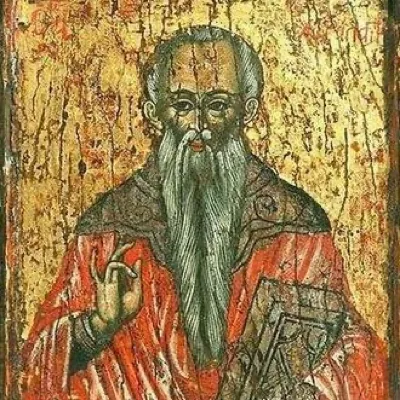
Saint Charalampius of Magnesia
Priest and martyr
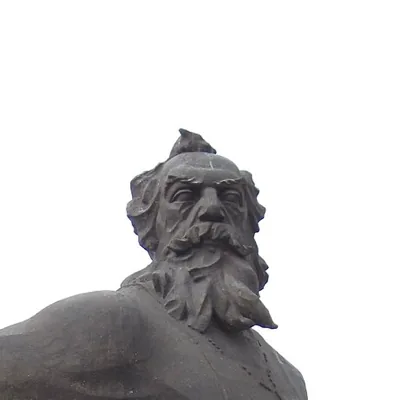
Saint Ghevond and Companions
Priest martyrs of Nishapur (the Ghevondiank)
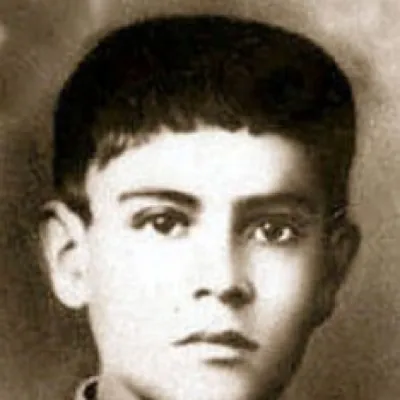
Saint José Sánchez del Río
Joselito, martyr at fourteen
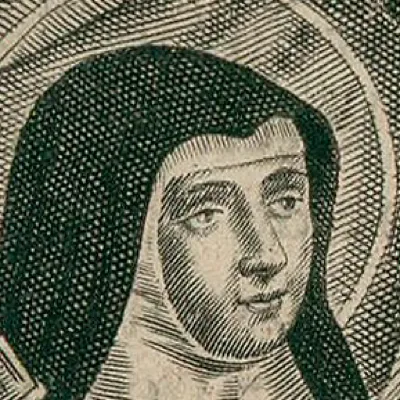
Saint Austrebertha
Abbess of Pavilly
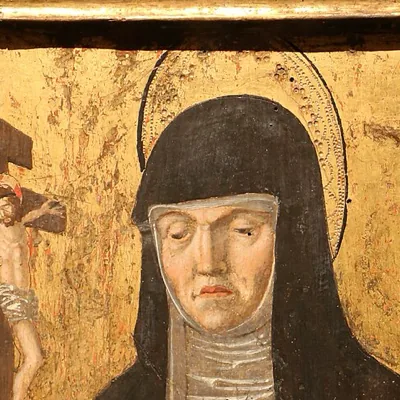
Saint Scholastica
Virgin, sister of Saint Benedict
In the same region
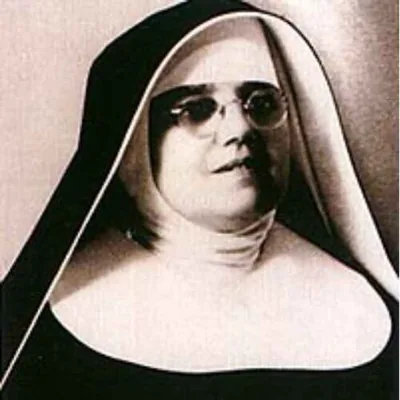
Blessed Marija Petković
Foundress of the Daughters of Mercy
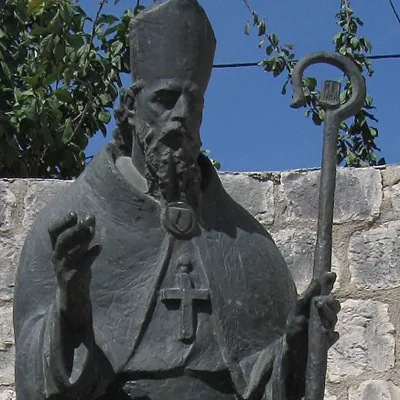
Blessed Augustin Kažotić
Dominican, bishop of Zagreb and then of Lucera
Blessed Julian of Valle
Franciscan peacemaker of Istria