
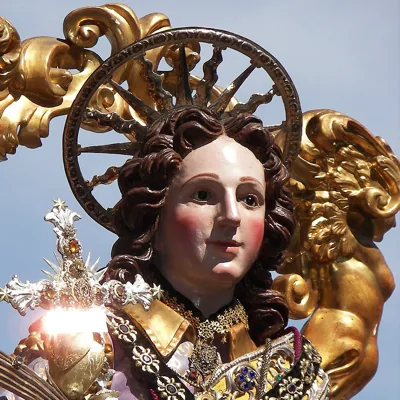
Three brothers martyred at Lentini under Valerian, according to a Greek Life of the 10th century, whose popular cult animates Lentini and the shrine of Trecastagni, on the slopes of Etna, every May.
The Roman Martyrology enters them on 10 May: ‘At Lentini in Sicily, Saints Alfius, Philadelphus and Cyrinus, martyrs.’ Their story is known only from a long Greek Life written around 960 by a monk named Basil, probably at Lentini, and preserved in the Vatican Library. According to this account, the three brothers, sons of a patrician family of Vaste, in the Salento, were arrested with their master Onesimus and taken to Rome, then to Pozzuoli, before being sent to Sicily to the governor Tertullus.
Still according to the Life, they passed through Catania, where their prison is still shown, and converted their guards on the way. At Lentini, after many tortures, they died in 253: Alfius had his tongue torn out, Philadelphus was burned on a gridiron, Cyrinus plunged into boiling pitch. Their bodies, thrown into a well, were buried in a cave over which a church stands.
Their cult, unbroken since the early Middle Ages, is one of the liveliest in eastern Sicily. At Lentini, of which they are patrons, and at Trecastagni, where tradition has them passing to avoid a flow of lava from Etna, the May feast attracts crowds of pilgrims; on the night of 9 May the ‘nuri’, often barefoot, climb from Catania and the surrounding area to the shrine of Trecastagni carrying heavy candles.
Celebrated on the same day

Blessed Ivan Merz
Layman, apostle of Croatian youth
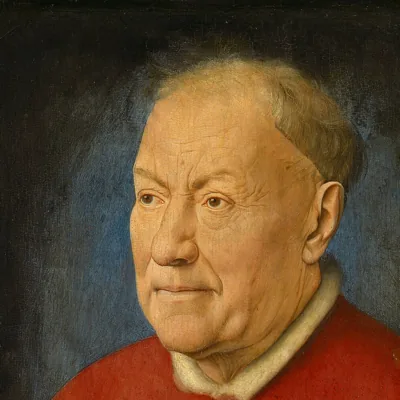
Blessed Nicholas Albergati
Carthusian, bishop of Bologna and diplomat cardinal
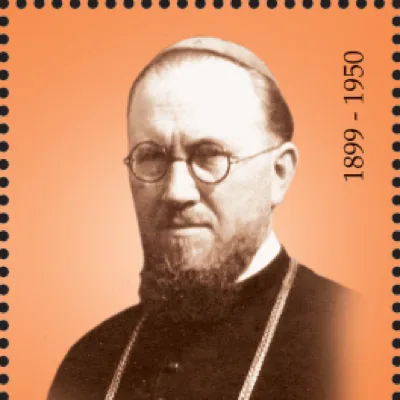
Blessed Vasile Aftenie
Greek-Catholic auxiliary bishop, vicar for Bucharest, martyr
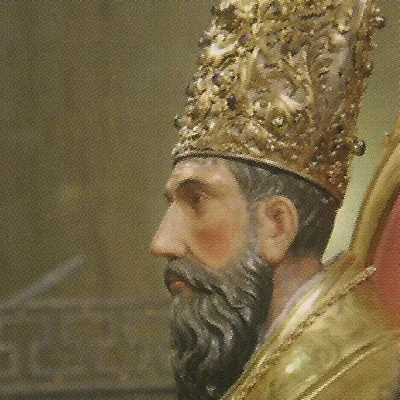
Saint Cataldus of Taranto
Irish monk, bishop and patron of Taranto
Saint Comgall
Founding abbot of Bangor
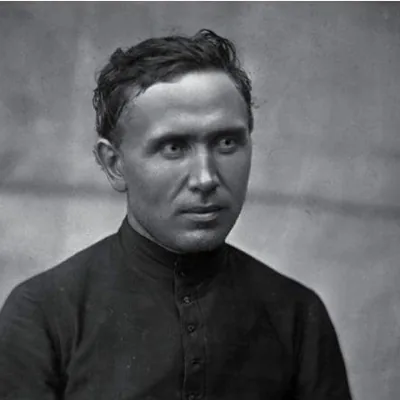
Saint Damien of Molokai
Apostle of the lepers
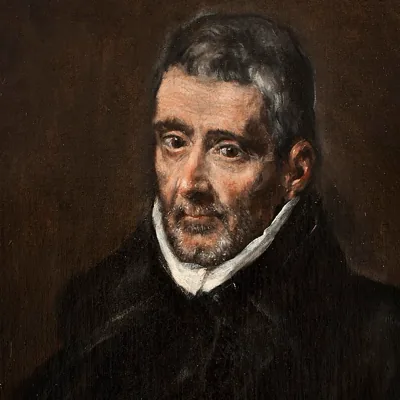
Saint John of Avila
Apostle of Andalusia, doctor of the Church
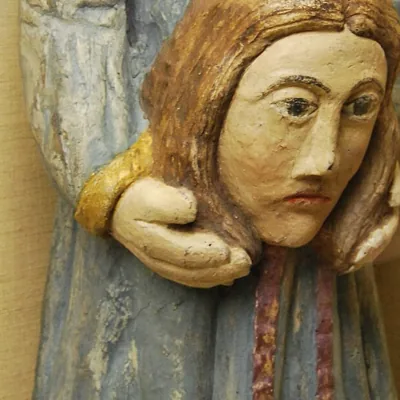
Saint Solange
Virgin martyr, patron of the Berry
In the same region
Blessed Angelina of Marsciano
Foundress of the Franciscan Sisters of the Third Order Regular
Blessed Anna Rosa Gattorno
Widow, foundress of the Daughters of St Anne
Blessed Anna Maria Taigi
Mother of a family and Roman mystic