
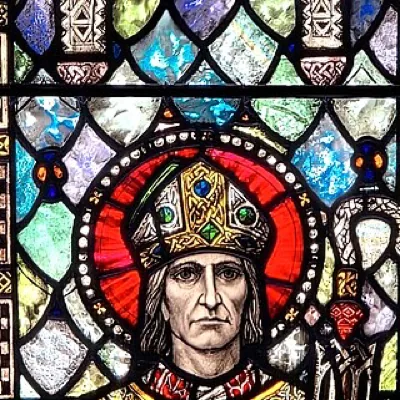
First bishop and patron of Emly, he is the foremost of the saints whom the Munster tradition makes preach the Gospel in the south of Ireland before Saint Patrick.
Almost nothing is known for certain about Ailbe. From the 8th century the Irish sources regarded him as the first bishop and patron of Emly (Imlech Ibair), a great church of the Eóganachta, the kings of Cashel; the Annals of Inisfallen, compiled at Emly, place his death in 528. His Latin Life, the oldest version of which is said to date from the years 750–850, and a ‘Law of Ailbe’ promulgated in 784 served the prestige of his church.
According to this Life, the child, abandoned on a rock at his birth on the order of a king, was nourished by a she-wolf, then taken in by Britons who carried him overseas; ordained bishop in Rome, he returned to preach in Ireland. Years later, an old she-wolf pursued by hunters is said to have come to take refuge against his breast, and he is said to have fed her and her cubs. Later Lives make him the eldest of the evangelisers of Munster before Patrick, with Declan, Ciarán of Saighir and Abbán; that of Declan calls him ‘second Patrick and patron of Munster’.
Ailbe also left his mark on Wales: the Life of Saint David, written at the end of the 11th century by Rhygyfarch, claims that he baptised the future patron of the Welsh, and the church of St Elvis, in Pembrokeshire, bears his name. At Emly an ancient cross in the graveyard is called Saint Ailbe’s Cross. Patron of the archdiocese of Cashel and Emly, he is entered in the Roman Martyrology on 12 September as a bishop who, ‘a pilgrim, preached the Gospel to many’.
Celebrated on the same day
Blessed Apollinaris Franco
Franciscan, commissary of the mission of Japan
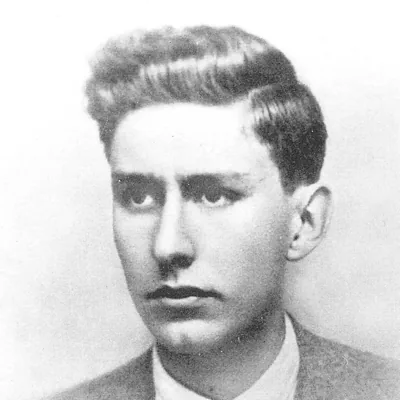
Blessed Joan Roig i Diggle
Young martyr of the Federation of Young Christians of Catalonia
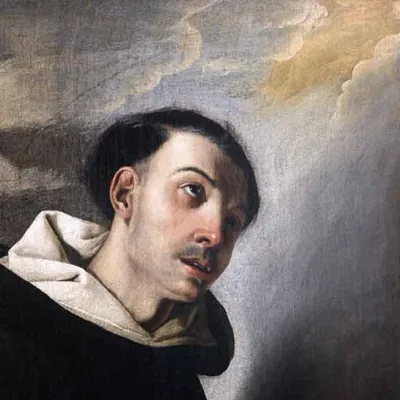
Blessed Thomas Zumárraga
Basque Dominican, missionary of Ōmura
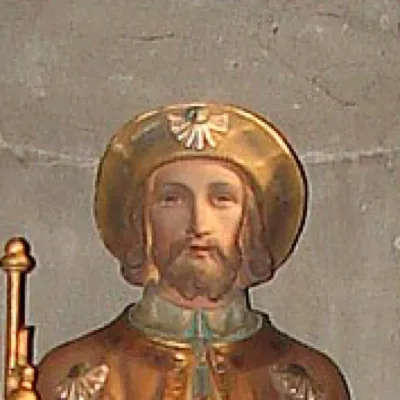
Saint Guido of Anderlecht
Sacristan of Laeken, pilgrim, patron of farmers
In the same region
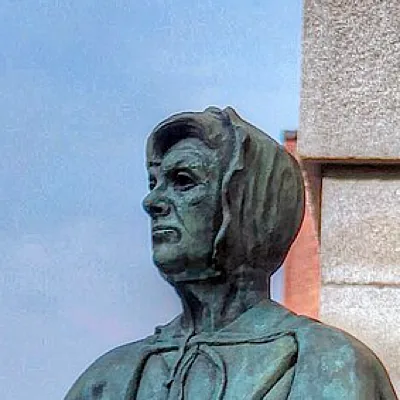
Blessed Margaret Ball
Former Lady Mayoress of Dublin, who died in prison
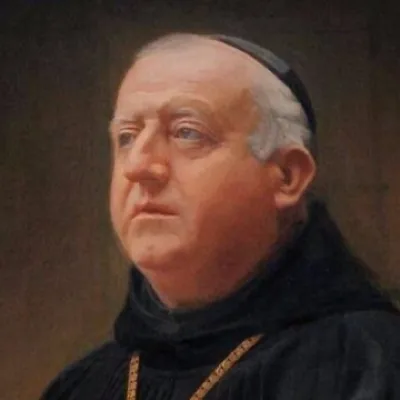
Blessed Columba Marmion
Abbot of Maredsous, spiritual master
Blessed Dermot O’Hurley
Archbishop of Cashel, martyr